How to Prevent Electrical Fire Hazards
Last Updated: October 23, 2026
Quick Summary
To prevent electrical fire hazards, regularly inspect outlets, cords, and wiring for signs of damage like burn marks, loose connections, and frayed insulation. Schedule professional electrical inspections every 3-5 years, or every 2 years for homes older than 40 years, and address any problems immediately.
- Look for discoloration, scorch marks, or warm outlets that indicate heat damage and arcing.
- Never daisy-chain power strips or use extension cords permanently, as connections add resistance and create heat.
- Call an electrician immediately if you see burn marks, smell burning, notice flickering lights, or see sparks.
- Check breakers monthly to ensure they click firmly and never feel warm during operation.
- Keep the area around your electrical panel clear and store no items within 3 feet for emergency access.
Table of Contents
- Why Electrical Fire Prevention Matters
- Recognize Signs of Faulty Electrical Wiring
- Inspect Your Electrical Panel and Circuit Breakers
- Check Outlets, Cords, and Power Strips
- How to Troubleshoot a Dead Outlet in the Kitchen
- When to Call an Electrician for Repairs
- Schedule Professional Inspections and Maintenance
- Frequently Asked Questions
Why Electrical Fire Prevention Matters
Electrical fires are preventable. Yet thousands occur each year in homes and businesses, often without warning. The good news is that most electrical fire hazards develop slowly, giving you time to prevent electrical fire hazards before they become dangerous.
How to prevent electrical fire hazards starts with understanding what causes them. Faulty wiring, overloaded circuits, damaged cords, and worn-out outlets create heat. That heat builds over time. Eventually, it ignites nearby materials like insulation, wood framing, or drywall.
The best defense is regular inspection. Know what to look for. Understand when to call a professional electrician. Take action before a small problem becomes an emergency.
Recognize Signs of Faulty Electrical Wiring
Faulty wiring shows itself in specific ways. Some signs are visible. Others you'll notice through behavior or smell.
Visual warning signs in walls and outlets
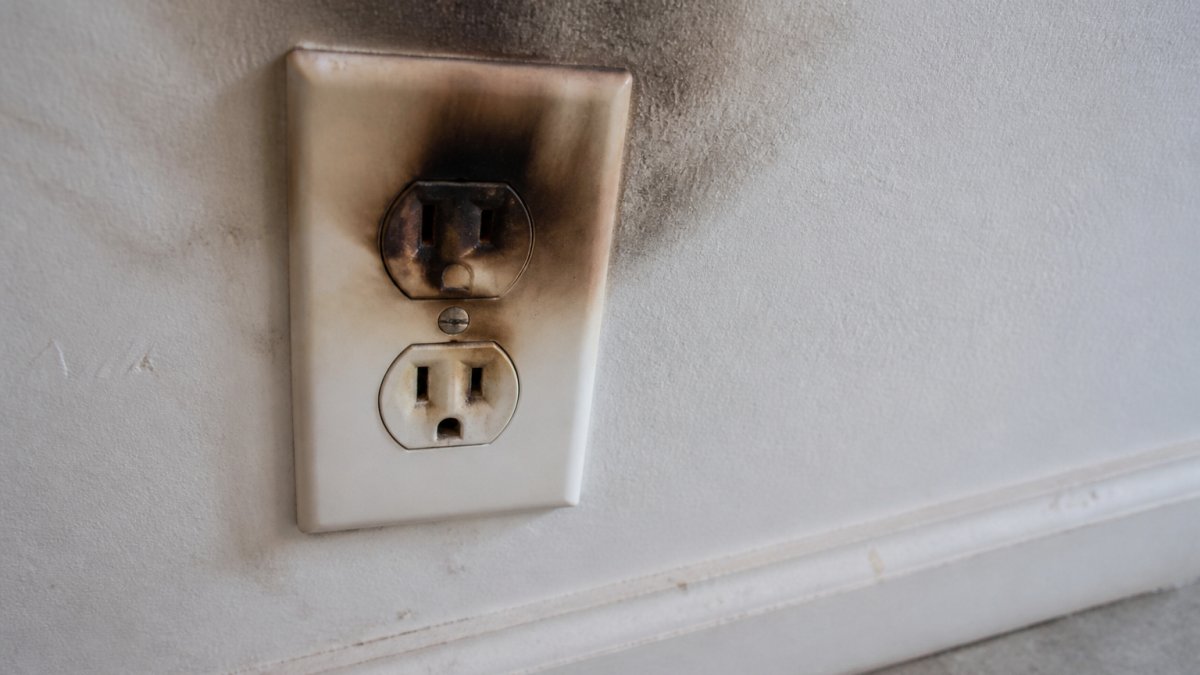
Check outlets and switches regularly. Look for discoloration, scorch marks, or burn spots around the outlet face. These indicate heat damage. The outlet has been arcing or overheating.
Outlets that are loose or cracked need immediate attention. A loose outlet creates gaps where sparks can jump. Cracks expose internal wiring to moisture and debris.
Look at your electrical panel. Rust, corrosion, or moisture inside the panel is a red flag. Water inside an electrical panel creates short circuits. Rust corrodes the metal components that protect you.
Wiring visible in basements or attics should be intact. Look for:
- Frayed or cracked insulation
- Wires that are pinched or crushed
- Rodent damage or chew marks
- Wires that sag or hang loosely
Any of these problems means the wire's protective coating is compromised. Bare copper is exposed. Contact with metal framing or moisture becomes likely.
Behavioral clues that indicate trouble
Flickering lights are not normal. If lights flicker when you use an appliance, your circuit is overloaded. If they flicker for no reason, a connection is loose. Loose connections create resistance. Resistance creates heat.
Outlets or switches that are warm to the touch are dangerous. Feel around outlets when nothing is plugged in. They should be cool. Warmth means current is flowing where it shouldn't.
A burning smell near an outlet or cord is an emergency. Don't wait. Turn off power to that outlet at the breaker. Call an electrician immediately. The smell means insulation is overheating.
Outlets that stop working suddenly can indicate a tripped breaker or a burned-out outlet. Either way, don't keep using it. A dead outlet might have internal damage you can't see.
Inspect Your Electrical Panel and Circuit Breakers
Your electrical panel is the heart of your home's electrical system. It distributes power safely through breakers that protect each circuit. Regular inspection catches problems before they cause fires.
Look at your panel from the outside first. The cover should be secure and undamaged. The area around the panel should be clear. Don't store items within 3 feet of the panel. You need access in an emergency.
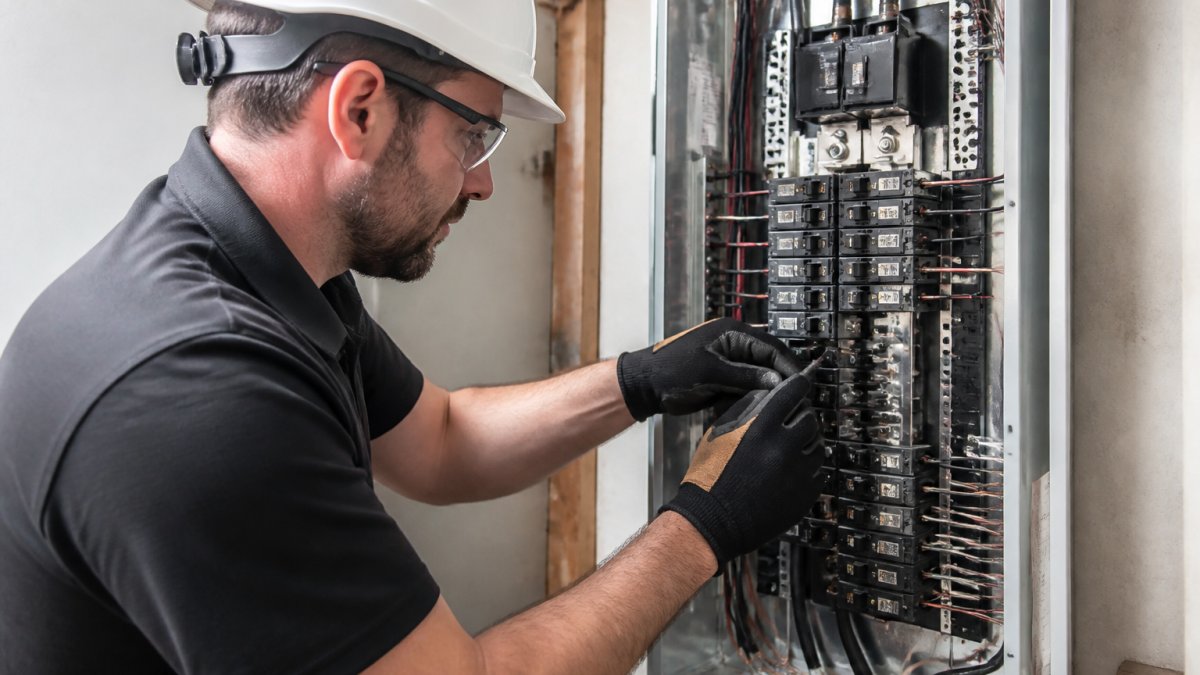
Open the panel carefully and look inside. Breakers should be in a straight line. They should all be the same size and type unless you have a newer mixed panel. If breakers look different sizes or are arranged randomly, an unqualified person may have done repairs.
Check for corrosion or moisture. A damp panel is dangerous. Moisture conducts electricity and can cause shorts. If you see moisture, call an electrician right away.
Test each breaker. Switch it fully off, then back on. It should click firmly in both directions. A breaker that moves loosely or won't stay in place is failing. Replace it.
Breakers should never feel warm. If a breaker is hot, that circuit is carrying too much load. Turn off some appliances on that circuit. If the breaker stays hot, you need more capacity.
Check Outlets, Cords, and Power Strips
Outlets are where most electrical fires start. They're also the easiest place to prevent problems.
Inspect every outlet in your home. Look for:
- Burn marks or discoloration
- Loose or cracked faceplates
- Outlets that don't hold plugs firmly
- Outlets that spark when you insert a plug
A loose outlet means the metal contacts inside are worn. The plug doesn't seat properly. Arcing occurs. Arcing creates heat and sparks.
Replace any outlet that shows these signs. It's inexpensive. Replacing a burned-out outlet costs far less than fixing fire damage.
Overloaded power strips and extension cords
Power strips are convenient. They're also dangerous if misused. Most people plug too many devices into one strip.
Each power strip has a maximum wattage. Don't exceed it. Add up the wattage of everything plugged in. If the total is higher than the strip's rating, unplug something.
Never daisy-chain power strips. Don't plug one strip into another. Each connection adds resistance. Resistance creates heat.
Extension cords are temporary. They're not meant for permanent use. If you need power in a location, run a proper circuit. Don't rely on extension cords long-term.
Check cords regularly for damage:
- Cuts or nicks in the insulation
- Fraying or splitting
- Discoloration or burn marks
- Cords that feel warm
A damaged cord is a fire hazard. Replace it immediately. Never tape a damaged cord. Tape doesn't stop the current from flowing where it shouldn't.
Cords under carpets are a common cause of fires. The carpet traps heat. The cord overheats. Fire starts underneath the carpet where you can't see it. Keep cords on top of carpets or use cord covers.
How to Troubleshoot a Dead Outlet in the Kitchen
A dead outlet is a signal. Something is wrong. It could be a tripped breaker, a failed outlet, or a loose connection.
Start by checking the breaker panel. Look for any breaker in the middle position or switched off. If you find one, flip it back on. If it trips again immediately, you have a short circuit. Don't keep resetting it. Call an electrician.
If no breaker is tripped, the outlet itself has failed. This is common in kitchens. Kitchens have high moisture and heat. Outlets wear out faster.
Check if other outlets on the same circuit are dead. If several outlets are out, it's likely a breaker issue. If only one is dead, the outlet has failed.
Test the outlet with a plug-in circuit tester. This inexpensive tool shows whether power is reaching the outlet. If the tester shows no power and the breaker is on, the outlet is dead.
Don't plug anything into a dead outlet and leave it. The outlet may have internal damage. Using it could cause a fire. Turn off the breaker to that outlet and have it replaced.
A dead outlet in the kitchen can also indicate a GFCI outlet that has tripped. GFCI outlets protect against shocks in wet areas. They cut power when they sense a problem. Look for a GFCI outlet on the same circuit. Press the reset button. This may restore power to other outlets.
If resetting the GFCI doesn't work, the outlet itself is failing. Replace it with a new GFCI outlet. This is a job for a licensed electrician.
When to Call an Electrician for Repairs
Some electrical problems are DIY. Most are not. Knowing when to call a professional keeps you safe.
Call an electrician immediately if you see:
- Burn marks or scorch on outlets or switches
- A burning smell near any electrical device
- Flickering lights that don't stop
- Outlets or cords that feel warm
- Breakers that trip repeatedly
- Sparks when you plug something in
- Visible damage to wiring
Call an electrician for any repair you're unsure about. Electrical work requires training. A mistake can cause a fire or electrocution.
If you smell burning or see sparks, call immediately. Don't wait for business hours. Fire spreads fast.
For non-emergency repairs, schedule an inspection. A licensed electrician can identify problems you might miss. They'll catch hazards before they cause fires.
Never hire an unlicensed electrician. Unlicensed work doesn't meet code. It's not inspected. It puts your home at risk. Always verify that your electrician is licensed in your state.
Schedule Professional Inspections and Maintenance
Regular inspections catch problems early. Most electrical fires are preventable with routine maintenance.
Have your electrical system inspected every 3-5 years. If your home is older than 40 years, inspect it every 2 years. Old wiring deteriorates. Age increases fire risk.
A professional inspection includes:
- Full panel evaluation
- Testing all outlets and switches
- Checking for overloaded circuits
- Inspecting visible wiring
- Testing ground and neutral connections
- Identifying code violations
After an inspection, follow the electrician's recommendations. If they flag a problem, fix it. Don't delay. A small repair now prevents a big fire later.
Maintenance tasks to do yourself:
- Check outlets monthly for heat or discoloration
- Test GFCI outlets monthly
- Look for loose or damaged cords
- Keep the area around your panel clear
- Never store flammable items near electrical equipment
When you add new appliances or devices, have an electrician verify your circuit capacity. A new air conditioner, EV charger, or heat pump requires proper wiring and breaker sizing. Undersized circuits overheat. Oversized loads cause fires.
We brings 7 years of experience and over 500 completed projects to every job.
Frequently Asked Questions
What are the most common causes of electrical fires in homes?
Electrical fires typically start from faulty wiring, overloaded circuits, damaged appliances, and malfunctioning outlets. Older homes with outdated wiring systems are particularly vulnerable. Loose connections inside outlets or circuit breakers generate heat that ignites insulation and surrounding materials. Regular inspections help catch these hazards before they become dangerous.
How can I tell if my home has faulty electrical wiring?
Watch for frequent circuit breaker trips, flickering lights, warm or discolored outlets, burning smells near outlets, and sparks when plugging in appliances. Older homes with cloth-insulated wiring or aluminum wiring in certain configurations are at higher risk. If you notice any of these signs of faulty electrical wiring, contact a licensed electrician immediately for a professional inspection.
When should I call an electrician for repairs rather than attempting DIY fixes?
Call immediately if you smell burning plastic, see scorch marks on outlets, experience repeated breaker trips, or notice warm outlets. Any work inside your electrical panel, rewiring, or repairs to hardwired appliances requires a licensed professional. When to call an electrician for repairs is simple: whenever you're unsure or the issue involves anything beyond safely resetting a breaker or replacing a standard outlet cover.
How often should I have my home's electrical system professionally inspected?
Homes should receive a professional electrical inspection every 3-5 years, or immediately if you purchase an older property. Homes over 40 years old, those with frequent electrical problems, or properties planning major additions like EV chargers or heat pumps should be inspected before work begins. Professional inspections identify hazards you cannot see and ensure your system meets current safety codes.
Electrical fires are preventable. Regular inspection and maintenance stop problems before they start. Know what to look for. Act on warning signs immediately. When in doubt, call a licensed electrician.
Precision Power Services is here when you need us. We respond to emergencies after hours. We schedule inspections at your convenience. We deliver code-compliant repairs that keep your home and business safe. Book online today or call for an emergency appointment.
Need an electrician in Rutland or central Vermont?
Precision Power Services is a licensed and insured electrical contractor serving Rutland, Killington, Brandon, Castleton, and surrounding towns. Call (802) 417-0587 or book online.
← Back to blog