Emergency Electrician Services: A Complete Guide
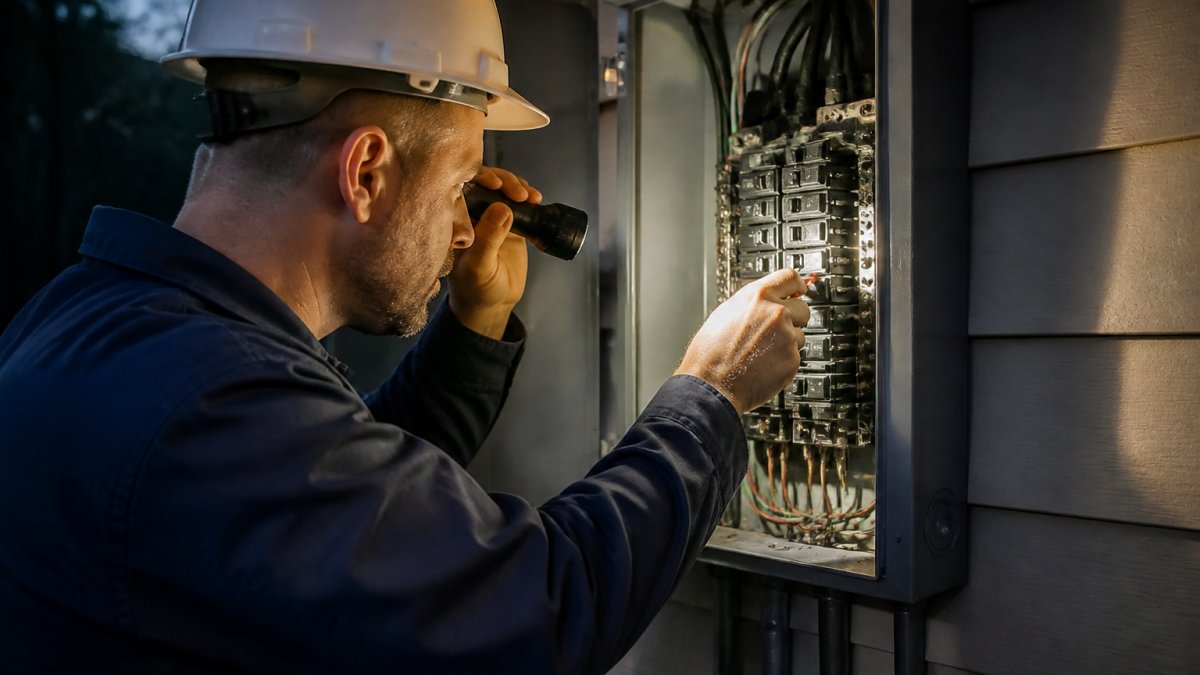
Table of Contents
- What Qualifies as an Electrical Emergency
- 24/7 Emergency Electrical Services and Response Times
- Electrical Troubleshooting and Diagnostics
- Understanding the Cost of Emergency Electrician Calls
- How to Choose a Licensed Electrician for Emergency Repairs
- Common Electrical Emergencies and How They're Resolved
- Safety Steps to Take During an Electrical Emergency
- Frequently Asked Questions
Last Updated: October 4, 2026
What Qualifies as an Electrical Emergency
An electrical emergency is any situation involving your home's or business's electrical system that poses an immediate risk to safety, property, or critical operations. Not every electrical problem requires emergency service, but understanding which issues demand urgent attention can save you time, money, and potentially prevent serious injury or fire.
Immediate Safety Hazards
Certain electrical problems demand immediate action. Sparks or smoke coming from outlets, switches, or appliances indicate dangerous arcing and fire risk. Burning smells near electrical panels or wiring suggest overheating insulation that could ignite. Water in contact with electrical systems, from flooding, burst pipes, or heavy rain, creates electrocution hazards that require immediate power shutdown and professional assessment.
Exposed wiring, damaged cords, or frayed cables pose shock and fire risks. Electrical shocks from touching switches or appliances, even minor ones, signal dangerous voltage leakage. Buzzing sounds from the electrical panel or outlets indicate loose connections or arcing. These situations require emergency electrician services immediately, do not attempt repairs yourself.
When to Call vs. When to Wait
Not every electrical issue requires emergency response. A single flickering light in one room often indicates a loose bulb or minor connection issue that can wait for regular business hours. However, widespread flickering lights throughout your home suggest voltage fluctuations or panel problems that warrant prompt professional attention.
A tripped circuit breaker that resets and holds is typically not urgent. But a breaker that trips repeatedly, or one that won't reset at all, points to an overloaded circuit or short that needs diagnosis. Dead outlets in one area may indicate a failed outlet or switch, annoying but not necessarily dangerous.
Power outages affecting your entire home require investigation, especially if other homes on your street have power. This could indicate a downed service line, a failed main breaker, or a transformer issue at the utility level. A licensed electrician can diagnose whether the problem is on your property or with the utility's infrastructure.
24/7 Emergency Electrical Services and Response Times
True emergency electrician services operate around the clock because electrical hazards don't follow business hours. Whether your emergency occurs at 2 AM on a Sunday or during a holiday, licensed emergency electricians must be available to respond.
Response times vary based on current demand and your location within the service area. In most cases, emergency calls receive priority dispatch. During major outages affecting multiple customers, response times may extend, but life-safety situations receive immediate attention.
When you call for emergency electrician services, have the following information ready: your address, a clear description of the problem, whether anyone has experienced shocks or seen sparks, and whether you've already taken safety steps like shutting off breakers. This helps dispatchers assess urgency and ensure the right equipment arrives with your technician.
Electrical Troubleshooting and Diagnostics
Professional electrical diagnostics begin with a systematic examination of your system's components. A licensed electrician uses specialized test equipment to measure voltage, current, and resistance at various points. This reveals whether problems stem from overloaded circuits, loose connections, failing components, or external factors like utility issues.
Flickering lights often trace to loose connections at the switch, outlet, or breaker, or to voltage fluctuations from the utility. Dimming lights when major appliances start up indicate insufficient service capacity or a weak utility connection. Dead outlets in one room suggest a tripped GFCI outlet (ground fault circuit interrupter) or a failed breaker protecting that circuit.
Burning smells require immediate investigation. Overheated wiring, failing breakers, or arcing connections produce distinctive odors. Electrical diagnostics pinpoint the source so repairs can prevent fire. A thorough inspection includes checking panel condition, breaker operation, grounding continuity, and load distribution across circuits.
Understanding the Cost of Emergency Electrician Calls
Emergency electrician services cost more than standard repairs because of the urgency, after-hours availability, and rapid response required. However, understanding cost factors helps you make informed decisions during stressful situations.
After-hours service premiums apply to calls outside standard business hours, evenings, weekends, and holidays. The further outside normal hours, the higher the premium typically is. Diagnostic calls to identify the problem carry a service charge separate from repair costs.
The complexity of repairs directly affects cost. A loose connection or failed outlet costs less than rewiring a circuit or replacing a panel component. Emergency panel repairs or service upgrades command higher fees due to the specialized skills and potential safety risks involved.
When evaluating emergency electrician quotes, remember that the cheapest option isn't always the best. A licensed, insured electrician who arrives promptly and performs code-compliant work protects your safety and property long-term. A professional electrician provides transparent estimates and explains what work is necessary versus optional upgrades.
How to Choose a Licensed Electrician for Emergency Repairs
Verification and Credentials to Check
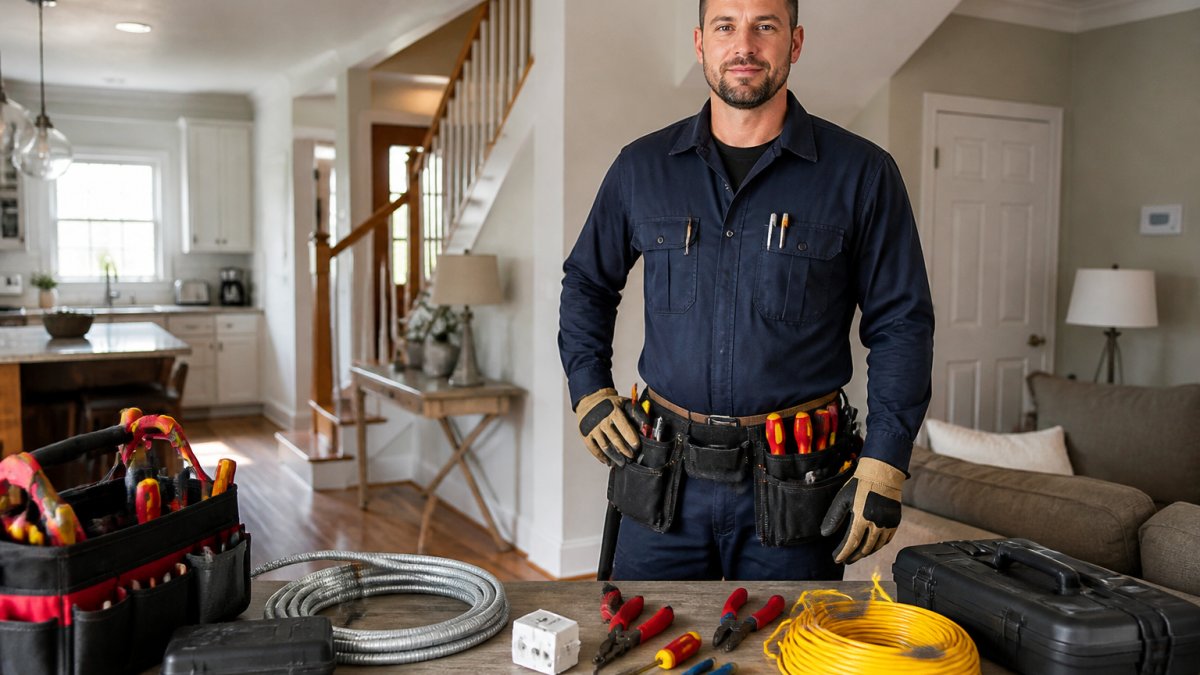
Always verify that your electrician holds a current license from the state or local licensing board. In this region, electricians must pass rigorous exams and maintain continuing education to keep licenses active. Ask to see the license, it's a legal requirement, not optional.
Insurance and bonding are equally critical. A licensed electrician must carry liability insurance protecting you if property damage occurs during repairs, and workers' compensation insurance covering their team. Ask for proof of current insurance and verify the coverage limits are adequate for your situation.
Check references and online reviews from previous customers. Look for patterns in feedback, do customers consistently mention reliability, professionalism, and fair pricing? A single negative review is less concerning than multiple complaints about the same issue.
Red Flags to Avoid
Electricians who cannot produce a current license or insurance should be declined immediately, no exceptions. This is non-negotiable for legal and safety reasons. Avoid anyone pressuring you to authorize work before they've diagnosed the problem or providing a written estimate.
Unusually low quotes for complex work often indicate corner-cutting or inexperience. Electrical work done incorrectly creates ongoing hazards and code violations that become expensive to remediate. Be wary of electricians who recommend expensive upgrades without explaining why they're necessary or how they address your specific problem.
Unwillingness to explain their diagnosis or recommendations is a red flag. A professional electrician should walk you through what they found, why it's a problem, and what options exist for repair. If an electrician dismisses your questions or acts annoyed by requests for clarification, find someone else.
Common Electrical Emergencies and How They're Resolved
Circuit Breaker and Panel Issues
The circuit breaker panel is your home's electrical nervous system, distributing power safely across circuits and shutting down power when overcurrent is detected. A breaker that trips repeatedly indicates either an overloaded circuit or a short circuit somewhere on that circuit.
Diagnosing a tripping breaker involves testing the circuit under load to identify the source. If the breaker trips when nothing is plugged in, the fault lies in the wiring or a hardwired appliance.
A breaker that won't reset at all indicates a serious fault, typically a direct short. This requires immediate professional attention. Do not force the breaker back on; this can damage the panel or create fire risk.
Panel replacement or service upgrades become necessary when your electrical demand exceeds your current service capacity. Homes with older 100-amp service often struggle to support modern loads, heat pumps, EV chargers, electric water heaters, and high-powered appliances.
Power Outages and Restoration
A complete power outage affecting your entire home requires investigation to determine whether the problem originates on your property or with the utility. Check with neighbors, if their power is on, the issue is yours. If their power is also out, contact the utility to report the outage and get an estimated restoration time.
If your power is out while neighbors have electricity, the problem likely involves your meter, service entrance, or main breaker. Do not attempt to troubleshoot this yourself. Call for emergency electrician services immediately. A downed service line, failed meter, or tripped main breaker requires professional diagnosis and repair.
During extended outages, a backup generator provides critical power for heating, cooling, refrigeration, and medical equipment. Permanent standby generators automatically activate during outages, while portable generators require manual setup. A licensed electrician can assess your needs and recommend appropriate backup power solutions, then handle professional installation ensuring proper grounding and safety.
Electrical Shorts and Flickering Lights
An electrical short occurs when current finds an unintended path, bypassing the intended load. This can happen in damaged wiring, wet conditions, or failed insulation. Shorts cause breakers to trip, sparks to appear, and burning smells to develop. They're serious fire hazards requiring immediate professional attention.
Flickering lights range from minor annoyances to warning signs of serious problems. A single light flickering usually means a loose connection at that fixture, switch, or outlet. Multiple lights flickering throughout your home suggest voltage fluctuations from loose utility connections, failing service equipment, or overloaded circuits.
Diagnosing flickering involves measuring voltage stability at various points in your system. A licensed electrician can determine whether the utility is delivering stable voltage or whether your home's internal wiring has loose connections creating resistance and voltage drop. Once identified, repairs are straightforward, tightening connections, replacing failed components, or working with the utility to address their infrastructure issues.
Safety Steps to Take During an Electrical Emergency
Your first priority during an electrical emergency is preventing injury.
Never touch electrical equipment during an emergency unless you're certain it's safe. Water and electricity are deadly together, if flooding or water contact is involved, do not enter the area (the CDC).
If someone is being electrocuted, do not touch them directly. Use a non-conductive object like a wooden broom handle to separate them from the electrical source, then call 911 immediately.
Keep emergency numbers accessible, your local fire department, utility company, and a trusted emergency electrician like Precision Power Services. During an emergency, you won't have time to search for contacts.
Shut off breakers protecting circuits you suspect are damaged or dangerous. This de-energizes those circuits, preventing further hazards. Leave breakers off until a professional has inspected and repaired the problem.
Electrical emergencies demand swift, professional response because the stakes involve safety and property protection.
| Emergency Type | Key Indicators | Urgency Level | Professional Response |
|---|---|---|---|
| Sparks or arcing | Visible sparks from outlets or panels | Immediate | Shut off breaker, call emergency service |
| Burning smell | Odor near panel, outlets, or appliances | Immediate | Evacuate if fire risk, call 911 and electrician |
| Water contact | Flooding near electrical equipment | Immediate | Shut off main breaker, do not enter wet area |
| Repeated breaker trips | Breaker trips under normal load | Urgent | Call for diagnosis within hours |
| Flickering lights | Multiple lights throughout home | Prompt | Schedule inspection same day if possible |
| Dead outlets | Loss of power to one or more outlets | Non-urgent | Schedule service during business hours |
Frequently Asked Questions
How do I know if I have an electrical emergency?
Signs of electrical emergency include sparks, burning smells, exposed wires, flickering lights throughout your home, outlets that are hot to the touch, repeated circuit breaker trips, or a complete loss of power. If you see smoke, smell burning, or notice sparks, shut off power at the main breaker and call an emergency electrician immediately. Do not attempt repairs yourself when safety hazards are present.
What's the typical cost of an emergency electrician visit?
The cost of emergency electrician services depends on the severity of the problem, time of day, and complexity of the repair. Emergency calls outside standard business hours typically carry a premium charge compared to daytime appointments. For an accurate quote on your specific electrical issue, contact a licensed electrician directly for an estimate.
What should I look for when hiring a licensed electrician?
Verify that your electrician holds a valid state license and carries liability insurance. Ask for references from recent projects and confirm they understand local electrical codes. A reputable licensed electrician will provide a detailed written estimate before starting work and explain what they found and why repairs are needed. Avoid anyone who pressures you into unnecessary upgrades or won't provide documentation.
Is it safe to wait until morning for electrical repairs?
It depends on the issue. If you have active sparks, burning smells, exposed wires, or a complete power loss affecting heating or safety systems, call an emergency electrician immediately. Minor issues like a single flickering light or a non-critical outlet can usually wait until business hours. When in doubt, call, a licensed electrician can assess whether your situation requires urgent attention or can be scheduled for the next available appointment.
Need an electrician in Rutland or central Vermont?
Precision Power Services is a licensed and insured electrical contractor serving Rutland, Killington, Brandon, Castleton, and surrounding towns. Call (802) 417-0587 or book online.
← Back to blog