What Should You Check in a Commercial Electrical Safety Inspection?
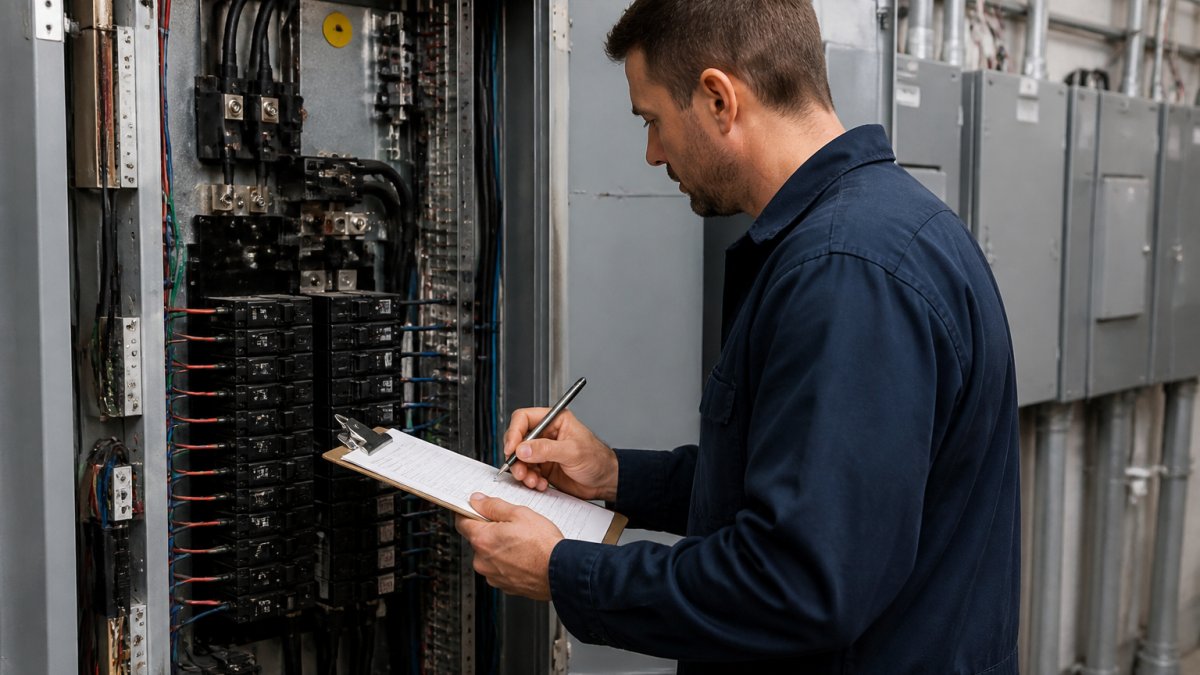
Last Updated: October 25, 2026
Quick Summary
A commercial electrical safety inspection is a comprehensive evaluation of your building's electrical systems to identify hazards, code violations, and maintenance needs before they become expensive problems. Inspectors examine panel condition, breaker function, grounding, wire gauge, and GFCI/AFCI protection to ensure safe operation.
Looking for this work in Rutland or central Vermont? See electrical inspections in Vermont from Precision Power Services.
- Panels manufactured before the 1980s may use outdated technology that no longer meets current standards.
- A 20-amp breaker requires 12-gauge wire; a 15-amp breaker requires 14-gauge wire to prevent fire hazards.
- Buildings over 20 years old should be inspected annually or every 18 months due to deteriorating wiring insulation and corroding connections.
- GFCI outlets detect ground faults in milliseconds and shut down power before serious injury occurs.
- The inspection process typically takes 2-4 hours depending on building size and system complexity.
Table of Contents
- Why Commercial Electrical Safety Inspections Matter
- Electrical Panel Inspection Checklist: What Inspectors Look For
- Common Electrical Hazards Found During Commercial Inspections
- Creating a Commercial Electrical Inspection Report Template
- How Often Should You Schedule Commercial Electrical Inspection Frequency
- Building Your Commercial Electrical Maintenance Checklist
- Scheduling Your First Professional Inspection
- Frequently Asked Questions
Why Commercial Electrical Safety Inspections Matter
A commercial electrical safety inspection is a comprehensive evaluation of your building's electrical systems to identify hazards, code violations, and maintenance needs before they become expensive problems. For business owners in central Vermont, this isn't optional, it's essential protection for your property, your employees, and your liability exposure.
The stakes are real. Faulty wiring, outdated panels, and deteriorating connections don't just cause operational disruptions. They create fire hazards, electrical shocks, and equipment damage that can shut down operations for days or weeks.
Many business owners delay inspections because they assume everything is fine until something fails visibly. That's backwards. Problems develop silently inside walls and behind panels where you can't see them. By the time you notice flickering lights or tripped breakers, the underlying issue has often been deteriorating for months.
Whether you're planning to add new equipment, upgrade your heating system, or simply want to protect your operation, a professional inspection gives you the clarity to make informed decisions. Learn whether a professional electrical inspection is worth the investment to help you decide if now is the right time to schedule one.
Electrical Panel Inspection Checklist: What Inspectors Look For
Your electrical panel is the nerve center of your building's power system. It distributes electricity throughout the facility and protects circuits through breakers and fuses.
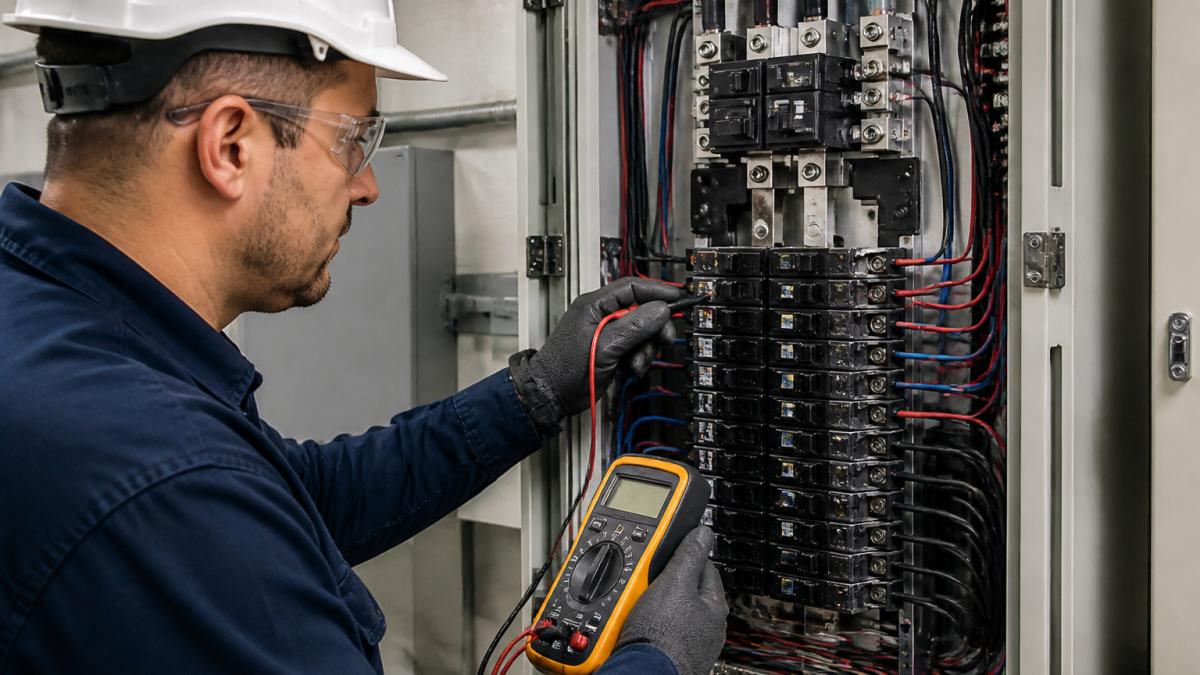
Here's what a comprehensive inspection covers:
Panel Condition and Age Inspectors check the panel's overall condition, looking for rust, corrosion, burn marks, or signs of overheating. Panels manufactured before the 1980s may use outdated technology or materials that no longer meet current standards. If your panel is approaching the end of its service life, replacement planning becomes important.
Breaker Function and Labeling Each breaker should trip cleanly when overloaded and reset easily.
Grounding and Bonding Proper grounding protects against electrical shock and lightning damage. Inspectors verify that ground rods are present, connections are tight, and bonding jumpers are in place.
Available Capacity Your panel has a maximum amperage rating. If you're already using 80% of capacity and planning to add equipment, you may need panel upgrades before new circuits can be installed.
GFCI and AFCI Protection Ground Fault Circuit Interrupter (GFCI) outlets protect against ground faults in wet areas.
Wire Gauge and Circuit Protection Wire size must match the breaker rating to prevent overheating. A 20-amp breaker requires 12-gauge wire; a 15-amp breaker requires 14-gauge. Mismatched combinations create fire hazards.
Common Electrical Hazards Found During Commercial Inspections
Understanding what inspectors look for helps you recognize problems between professional visits. Many hazards develop gradually and go unnoticed until they cause serious damage or injury.
Overloaded Circuits This is the most common issue we encounter. Multiple high-draw devices plugged into the same circuit force the breaker to trip repeatedly.
Outdated Wiring Older buildings sometimes contain aluminum wiring or cloth-wrapped wire that deteriorates over time. Aluminum connections corrode and create resistance, generating heat at connection points.
Improper Grounding Buildings with two-prong outlets and no ground wire lack the protection that three-prong grounding provides. Ungrounded circuits increase shock risk and leave equipment vulnerable to voltage surges.
Missing or Malfunctioning GFCI Protection GFCI outlets detect ground faults in milliseconds and shut down power before serious injury occurs (Electrical Safety Month).
Deteriorated Insulation Rodents, age, and heat damage insulation around wires. Exposed conductors create shock and fire hazards.
Inadequate Panel Capacity If your panel is full and you need to add circuits, you face a choice: upgrade the panel or overload existing circuits.
Creating a Commercial Electrical Inspection Report Template
A professional commercial electrical inspection report template documents findings, prioritizes issues, and guides maintenance decisions. The report should be clear enough that you understand what was found and what needs to be done.
An effective report includes these sections:
Executive Summary A brief overview of the inspection scope, date, inspector credentials, and overall condition assessment. This section tells you at a glance whether the system is safe to operate or requires urgent attention.
Detailed Findings Each issue is described with its location, severity, and specific hazard it creates.
Code Compliance Status Notes which findings violate current electrical codes and which are simply outdated but not immediately dangerous. This distinction helps you prioritize repairs based on regulatory requirements versus long-term safety improvements.
Recommendations and Priority Issues are ranked as immediate (safety hazard requiring urgent repair), short-term (should be corrected within 3-6 months), or long-term (planning and budgeting needed). This prioritization helps you allocate resources and plan upgrades strategically.
Estimated Scope The report should indicate what types of work are needed, panel upgrade, circuit additions, grounding improvements, etc., so you can budget and plan accordingly.
Photographs and Diagrams Visual documentation of problem areas helps you understand issues and communicate them to contractors. Photos of rust, corrosion, or improper connections make the report more concrete and actionable.
How Often Should You Schedule Commercial Electrical Inspection Frequency
Commercial electrical inspection frequency depends on your building's age, usage patterns, and risk profile. There's no one-size-fits-all answer, but several factors guide the decision.
New Buildings and Recent Upgrades If your building was constructed within the last 5 years or your electrical system was recently upgraded, an inspection every 3-5 years is typically sufficient. Modern installations are built to current code and should operate reliably with routine maintenance.
Buildings 10-20 Years Old Systems in this age range benefit from inspections every 2-3 years. Components are aging but haven't yet reached the end of their service life. Regular inspections catch degradation early and help you plan replacements before failures occur.
Older Buildings Over 20 Years These systems should be inspected annually or every 18 months. Wiring insulation deteriorates, connections corrode, and components approach the end of their service life. Frequent inspections help you stay ahead of problems and manage replacement costs.
High-Usage Commercial Spaces Facilities with heavy electrical loads, manufacturing, data centers, commercial kitchens, should be inspected annually. The stress on components is greater, and failures have higher consequences for operations and safety.
After Major Equipment Additions Whenever you add significant new equipment, upgrade your HVAC system, or expand your facility's electrical demands, schedule an inspection within 6 months. The inspection verifies that your panel has adequate capacity and that new circuits are properly installed and protected.
Following Electrical Events If you experience a power outage, a breaker that won't reset, burning smells, or any electrical incident, have an inspection done promptly. These events often indicate underlying problems that need professional evaluation.
Watch out: delaying inspections after a power outage can mask serious damage. What seems like a temporary glitch might indicate failing insulation, loose connections, or equipment damage that will cause problems later.
Inspection frequency depends on your building's age, usage patterns, and specific circumstances.
| Building Type or Situation | Recommended Frequency | Notes |
|---|---|---|
| New buildings or recent upgrades | Every 3-5 years | Modern installations built to current code |
| Buildings 10-20 years old | Every 2-3 years | Components aging but not at end of service life |
| Older buildings over 20 years | Annually or every 18 months | Wiring insulation deteriorates and connections corrode |
| High-usage commercial spaces | Annually | Manufacturing, data centers, commercial kitchens |
| After major equipment additions | Within 6 months | Verify panel capacity and proper circuit installation |
| Following electrical events | Promptly | Power outages, breaker failures, burning smells |
Building Your Commercial Electrical Maintenance Checklist
Between professional inspections, you can monitor your electrical system's health with a regular maintenance routine. Learn about commercial electrical wiring code requirements and standards that inform what to look for during your maintenance checks.
Monthly Tasks
Check for any burning smells, unusual sounds, or visible damage around outlets, switches, or the main panel. Look for signs of water intrusion in areas where electrical components are located.
Quarterly Tasks
Inspect visible wiring for signs of damage, rodent activity, or deterioration. Check that all electrical panels and equipment are accessible and not blocked by storage or equipment.
Annual Tasks
Have a professional review your electrical load and capacity to ensure you're not operating near maximum limits. Test backup generators and emergency power systems.
Documentation
Keep records of all maintenance activities, inspections, repairs, and equipment replacements. This documentation helps you track patterns, plan future work, and provides evidence of due diligence if questions arise about electrical safety.
The How to Identify Outdated Electrical Panels guide goes deeper into recognizing electrical panel problems that commonly appear during inspections. Understanding these warning signs helps you know when to call a professional.
Scheduling Your First Professional Inspection
If you haven't had a commercial electrical safety inspection in the past few years, now is the time to schedule one. A professional inspection gives you a clear picture of your system's condition and identifies issues before they become emergencies.
When you're ready, Electrical safety inspections in Vermont provides details on what to expect during an inspection and how to book an appointment. We at Precision Power Services has completed over 500 projects in central Vermont and brings expertise in identifying both obvious hazards and subtle problems.
The inspection process typically takes 2-4 hours depending on your building's size and system complexity. We document findings in a detailed report with photographs and recommendations prioritized by urgency. This report becomes your roadmap for addressing issues strategically rather than reactively.
A commercial electrical safety inspection checklist protects your business from hazards, ensures code compliance, and prevents costly emergencies.
Electrical inspections in Vermont
Vermont has a lot of older housing, and wiring in these homes has often been added to by several owners over the years. An inspection is worth it when you are buying or selling, when an insurer asks, or when you see warning signs like warm outlets, flickering lights, or breakers that trip.
Electrical work in Vermont follows the National Electrical Code as adopted in the Vermont Electrical Safety Rules (2025 edition, enforced by the Division of Fire Safety). Precision Power Services is a Vermont licensed electrician based at 450 Park Ln in Rutland, serving Rutland County and central Vermont.
Book a free estimate or call (802) 417-0587.
Frequently Asked Questions
What should be included in a commercial electrical safety inspection?
A thorough commercial electrical safety inspection covers the main panel, circuit breakers, grounding systems, wiring condition, outlets and switches, emergency lighting, fire alarm systems, and GFCI protection. The inspector tests for proper voltage, checks for code violations, identifies outdated equipment, and documents any hazards. The inspection should result in a detailed report with findings and recommendations for repairs or upgrades.
How often should a commercial building have an electrical inspection?
Commercial buildings should have an electrical inspection every 3 to 5 years as part of routine maintenance, depending on the building's age, usage, and local code requirements. Older buildings, those with heavy electrical loads, or facilities that have undergone renovations may need more frequent inspections. After any major electrical work or if you notice signs of trouble like flickering lights or tripped breakers, schedule an inspection immediately.
What are the most common electrical hazards found in commercial buildings?
Common hazards include outdated or overloaded panels, faulty grounding, damaged wiring insulation, inadequate GFCI protection in wet areas, improper circuit breaker sizing, and deteriorating conduit. Older buildings may have aluminum wiring, which poses fire risks. Improperly installed equipment, missing covers on electrical boxes, and inadequate emergency lighting also create safety risks. These issues can lead to electrical fires, shocks, or equipment damage.
Who is qualified to inspect a commercial electrical system?
Only a licensed electrician or certified electrical inspector should perform commercial electrical inspections. These professionals have the training, tools, and credentials to identify code violations and safety hazards. Many jurisdictions require inspections by a certified inspector or licensed electrician to ensure compliance with the National Electrical Code (NEC) and local electrical codes. Verify that your inspector holds the appropriate state licensing.
What should I do if an inspection finds an electrical problem?
Address any hazards identified in the inspection report promptly. The inspector will prioritize findings by severity, critical safety issues should be fixed immediately, while minor code violations can be scheduled within a reasonable timeframe. Work with a licensed electrician to complete repairs and ensure all work meets current electrical codes. Request documentation of completed work and any follow-up inspections if needed.
How do you document a commercial electrical inspection?
A proper inspection report should include the date of inspection, inspector credentials, building address, detailed findings for each system checked, photographs of hazards or code violations, a summary of safety concerns, and specific recommendations for repairs or upgrades. The report should clearly distinguish between critical safety issues and routine maintenance items. This documentation is essential for insurance, code compliance, and future reference.
Need an electrician in Rutland or central Vermont?
Precision Power Services is a licensed and insured electrical contractor serving Rutland, Killington, Brandon, Castleton, and surrounding towns. Call (802) 417-0587 or book online.
← Back to blog