How to Identify Outdated Electrical Panels
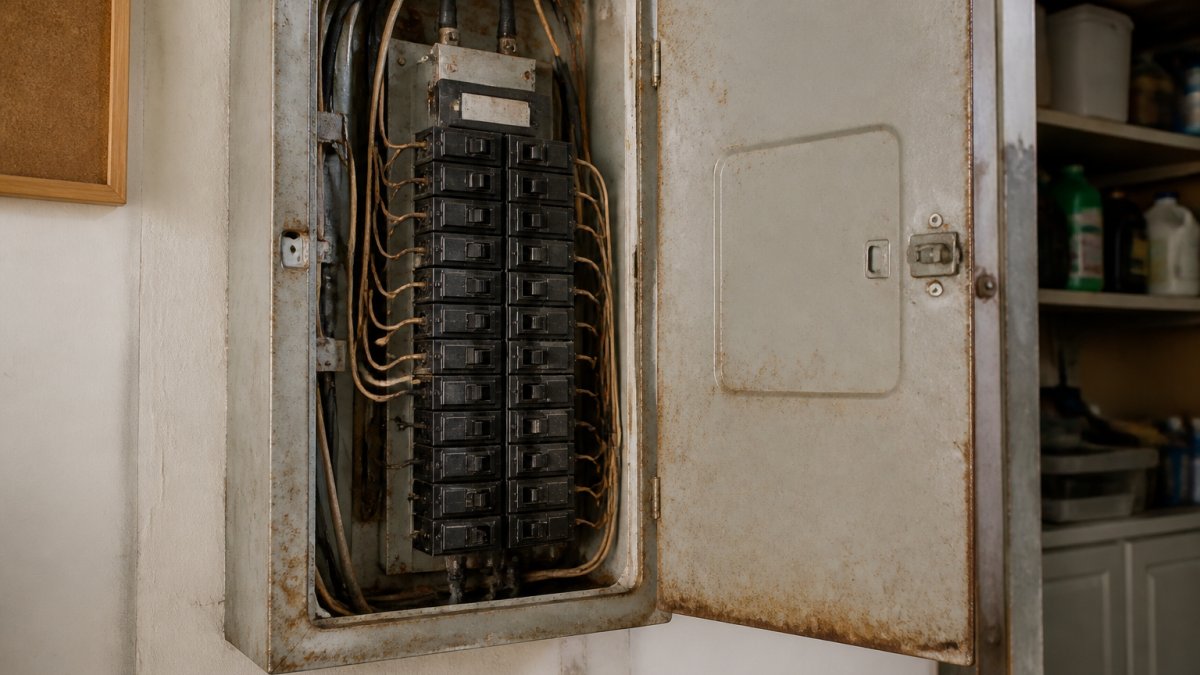
Table of Contents
- Signs of an Outdated Electrical Panel
- How to Identify Your Electrical Panel Brand and Model
- Outdated Wiring Types That Signal Replacement Need
- Fuse Box vs. Modern Circuit Breaker Panel
- Signs of a Faulty Electrical Panel
- Electrical Panel Replacement Cost and When It's Needed
- Can Older Homes Support Heat Pumps and Modern Electrical Loads
- DIY Inspection vs. Professional Assessment
- Frequently Asked Questions
Last Updated: September 28, 2026
Signs of an Outdated Electrical Panel
An outdated electrical panel is one of the most dangerous problems hiding in older homes. These panels can't handle modern electrical demands, and they pose serious fire and safety risks. Many homeowners don't realize their panels are outdated until a crisis happens.
The warning signs are often subtle at first. Your lights flicker. Your breaker trips repeatedly. You smell burning near the panel. These aren't minor annoyances, they're your home's way of telling you the electrical system is failing.
Frequent breaker tripping
When your breaker trips constantly, it means your panel is overloaded or faulty. A breaker should trip only when there's a genuine electrical problem, not every time you run the microwave and dishwasher together.
Frequent tripping happens for two reasons. First, your home's electrical load exceeds what the panel can handle. Second, the breaker itself may be worn out or defective. Either way, it's a sign that your electrical system needs attention.
Modern homes demand more power than homes built 20 or 30 years ago. Heat pumps, EV chargers, and air conditioning systems draw serious amperage. If your panel was designed for 100 or 150 amps, it can't support today's appliances without constant failures.
Flickering or dimming lights
Flickering lights aren't just annoying. They indicate loose connections, voltage drops, or an overloaded circuit. When lights dim every time you turn on a major appliance, your panel is struggling to distribute power evenly.
This is especially common in older homes with outdated electrical panels. The connections inside deteriorate over time. Copper oxidizes. Terminals loosen. The result is inconsistent power delivery throughout your house.
Pay attention to where the flickering happens. If it's throughout your home, the problem is likely at the main panel. If it's isolated to one room or circuit, you may have a localized wiring issue. Either way, this needs professional evaluation.
Burning smells and buzzing sounds
A burning smell near your electrical panel is an emergency. Stop using major appliances immediately and call a licensed electrician. This indicates overheating wires, failing components, or arcing connections inside the panel.
Buzzing or humming sounds also signal trouble. These sounds come from loose connections, failing breakers, or components vibrating under stress. The panel should be silent during normal operation.
Never ignore these warning signs. Overheating electrical components can ignite fires. The risk is real, and the consequences are severe.
How to Identify Your Electrical Panel Brand and Model
Identifying your panel's brand and model tells you whether it's still in service or obsolete. Some panel brands have been discontinued. Others are known for safety issues. Knowing exactly what you have is the first step toward deciding whether replacement is necessary.
Locating your panel
Your electrical panel is usually in the basement, garage, utility room, or outside on the wall. Look for a gray or tan metal box, roughly 24 inches tall and 12 inches wide. The main breaker switch should be clearly visible on the door.
If you can't find it, check your home's electrical documentation or ask a previous owner. Once you've located it, open the door carefully and look for the manufacturer label.
Reading the label and manufacturer information
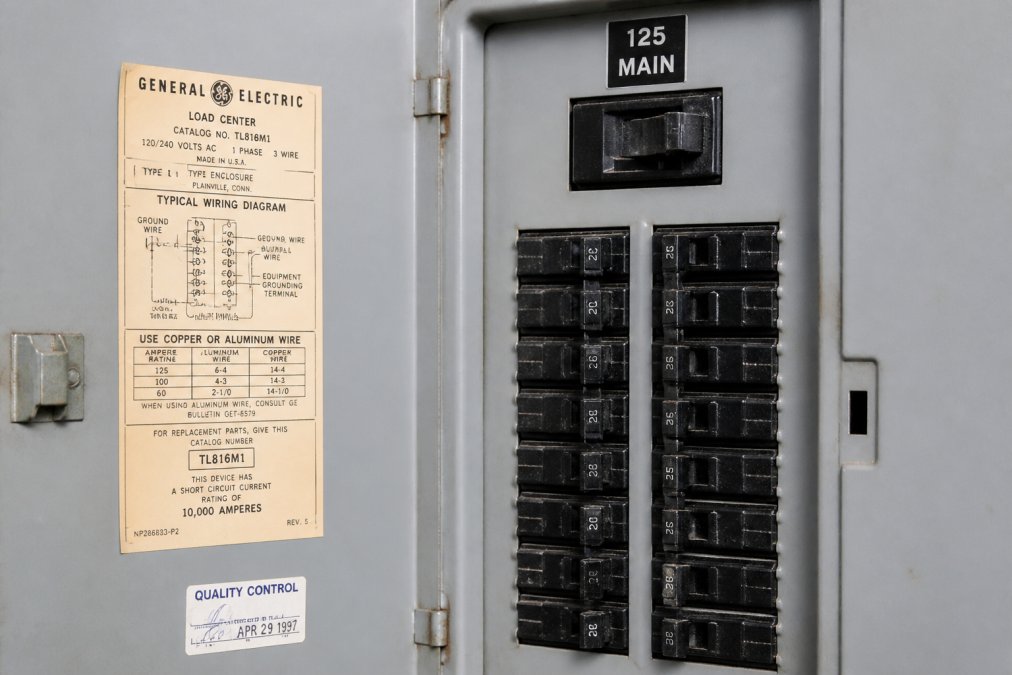
The label is on the inside of the panel door or on the panel itself. It shows the manufacturer's name, model number, serial number, and amperage rating. Write down all this information.
The amperage rating is critical. Common ratings are 60, 100, 150, and 200 amps. Older homes often have 60 or 100 amp panels. Modern homes typically have 150 or 200 amp panels. If your home is more than 40 years old and has less than 100 amps, your panel is almost certainly outdated.
Recognizing obsolete panel brands
Certain panel brands are no longer manufactured and are considered hazardous by modern electrical codes. These include:
- Federal Pacific Electric (FPE) Stab-Lok panels
- Zinsco panels
- Pushmatic panels
- Bulldog panels
- Sylvania panels
If your panel is one of these brands, replacement is not optional. These panels have documented failure rates and fire risks. Insurance companies often refuse to cover homes with these panels. Lenders may require replacement before closing on a purchase.
Outdated Wiring Types That Signal Replacement Need
The wiring inside your panel tells another story about your home's age and safety. Certain wiring types haven't been used for decades because they're unsafe. If your panel contains these wiring types, replacement is urgent.
Knob-and-tube wiring
Knob-and-tube wiring was standard in homes built before 1950. It consists of individual copper wires run through ceramic knobs and tubes. There's no grounding wire and no sheathing to protect the conductors.
This wiring can't safely handle modern electrical loads. It degrades over time. The insulation becomes brittle. Rodents chew through it. It overheats easily. Many insurance companies won't insure homes with active knob-and-tube wiring, and building codes now prohibit its use in new installations.
If you see this wiring in your panel or walls, it needs replacement. This is especially critical if you're planning to add major loads like heat pumps or EV chargers.
Aluminum wiring and open splices
Aluminum wiring was used in some homes during the 1960s and 1970s as a cost-saving measure. It's less conductive than copper and oxidizes more easily. Connections loosen over time, creating fire hazards.
Open splices are connections that aren't properly enclosed in junction boxes. These are code violations and safety risks. Exposed connections can arc and cause fires.
Modern electrical code requires all connections to be properly bonded and enclosed. If your panel has aluminum wiring or open splices, these need to be addressed during panel replacement.
Fuse Box vs. Modern Circuit Breaker Panel
Understanding the difference between fuse boxes and circuit breaker panels helps you understand your home's electrical safety level.
A fuse box is an older technology. When a circuit overloads, a metal filament inside the fuse melts, breaking the circuit. You have to replace the fuse to restore power. Fuse boxes were common in homes built before 1980.
A circuit breaker panel is the modern standard. When a circuit overloads, a breaker switch trips automatically. You simply flip the switch back on. No replacement needed. Breakers can be reset thousands of times without degradation.
The advantage of circuit breakers is obvious. They're faster to reset, more reliable, and safer. They also provide better protection against electrical fires because they respond more consistently to overloads.
If your home still has a fuse box, it's definitely outdated. Replacement should be a priority, especially if you're adding new electrical loads.
Signs of a Faulty Electrical Panel
Beyond age and wiring type, certain conditions indicate your panel is failing and needs replacement.
Rust or corrosion on the panel exterior suggests moisture is getting inside. This accelerates component failure and increases fire risk. Water and electricity don't mix.
Visible burn marks, charring, or discoloration on breakers indicate overheating. This is a serious warning sign. The panel may have already caused damage to your home's wiring.
Breakers that won't stay in the ON position suggest internal failure.
Electrical Panel Replacement Cost and When It's Needed
Panel replacement is an investment, but it's one of the most important safety upgrades you can make to your home. The cost depends on your panel's amperage rating, your home's wiring condition, and other factors.
Can Older Homes Support Heat Pumps and Modern Electrical Loads
This is a common question from homeowners in the region planning energy-efficient upgrades.
DIY Inspection vs. Professional Assessment
You can perform a basic inspection of your electrical panel yourself. Look at the label. Note the brand and amperage. Check for visible damage, corrosion, or burn marks. Listen for buzzing sounds.
Frequently Asked Questions
How can I tell how old my electrical panel is?
Check the manufacturer label on your panel door for the date of manufacture, typically printed near the top. If the label is missing or illegible, you can estimate age based on the panel style and wiring type. Panels installed before 1980 often use knob-and-tube or cloth-wrapped wiring. Fuse boxes are generally 50+ years old. A licensed electrician can pinpoint the age and assess whether your panel meets current electrical code standards.
What makes an electrical panel obsolete or a fire hazard?
Panels become obsolete when manufacturers stop supporting them or when they fail to meet modern electrical code. Common fire hazards include Federal Pacific Electric (FPE) Stab-Lok and Zinsco panels, which have documented issues with breaker failures and internal arcing. Knob-and-tube wiring, open splices, and aluminum wiring also create fire risks. Age alone doesn't make a panel dangerous, but combined with signs like frequent tripping, burning smells, or buzzing sounds, replacement becomes urgent.
Can older homes support heat pumps without a complete electrical overhaul?
Many older homes can support heat pumps, but it depends on your current electrical capacity and panel condition. Heat pumps typically require 240-volt service and 15-50 amps depending on size. If your panel has adequate amperage (60+ amps for most homes) and modern circuit breaker technology, an upgrade may not be necessary. However, homes with fuse boxes, outdated wiring, or panels under 100 amps usually need service upgrades. A professional assessment determines your home's readiness and any required modifications.
What should I do if I find signs of a faulty electrical panel?
Stop using circuits connected to the faulty section if possible, and contact a licensed electrician immediately. Do not attempt repairs yourself, as electrical panels are extremely hazardous. Common faults like frequent breaker tripping or burning smells indicate serious problems that can lead to fires or electrocution. A professional inspection will identify the root cause and recommend whether repair or replacement is needed. Many insurance companies require panel inspections before covering electrical damage or fire claims.
Need an electrician in Rutland or central Vermont?
Precision Power Services is a licensed and insured electrical contractor serving Rutland, Killington, Brandon, Castleton, and surrounding towns. Call (802) 417-0587 or book online.
← Back to blog