How to Tell If Electrical Panel Needs Upgrade
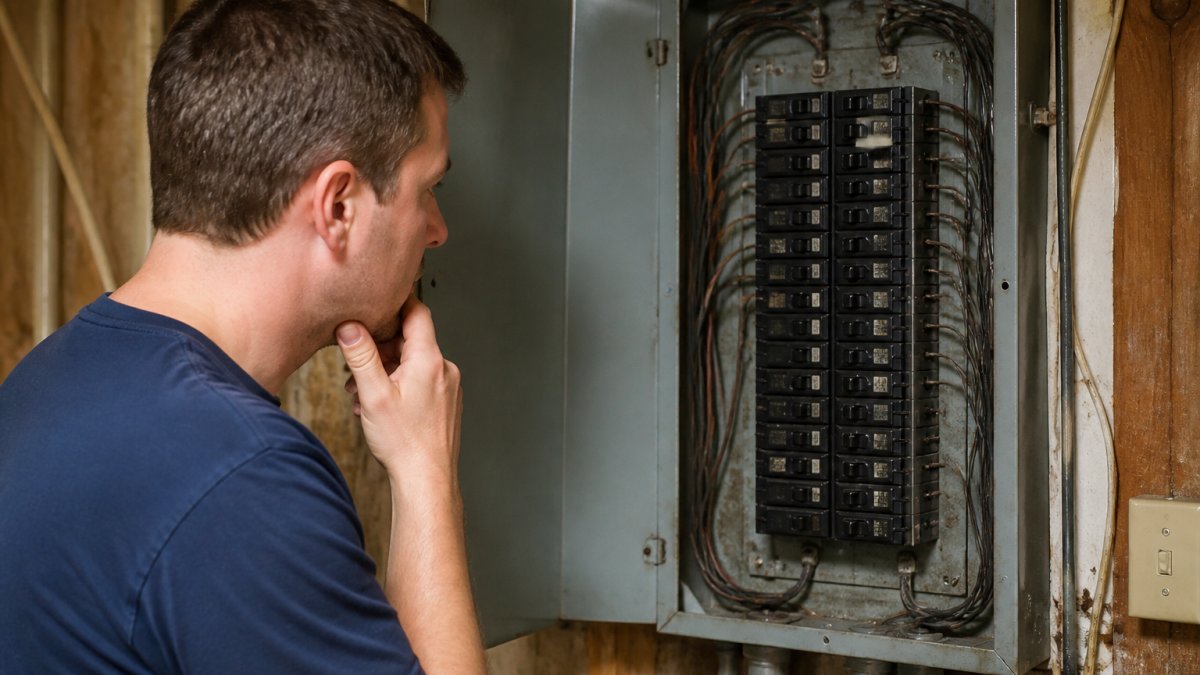
Table of Contents
- Warning Signs Your Electrical Panel Needs an Upgrade
- How to Know If Electrical Panel Is Maxed Out
- Outdated Equipment and Electrical Panel Lifespan
- Increased Electrical Demand: When to Upgrade to 200 Amp Panel
- Electrical Panel Safety Inspection: What to Check
- Distinguishing Panel Problems from Circuit or Wiring Issues
- The Upgrade Process: Permits, Costs, and Timeline
- Frequently Asked Questions
Last Updated: October 17, 2026
Warning Signs Your Electrical Panel Needs an Upgrade
Your electrical panel is the heart of your home's power system. It distributes electricity to every room and appliance. Over time, panels can become outdated or overloaded. Learning how to tell if electrical panel needs upgrade is critical for safety and performance.
Looking for this work in Rutland or central Vermont? See panel upgrades in Vermont from Precision Power Services.
The signs are often easy to spot once you know what to look for.
Frequent Circuit Breaker Trips
A circuit breaker that trips occasionally is normal. It's designed to shut off power when circuits overload. But frequent trips signal a deeper problem.
If your breaker trips multiple times per week or even daily, your panel likely can't handle your home's electrical load.
What to do: Note which breaker trips most often. Try avoiding simultaneous use of major appliances on that circuit. If trips continue, contact a licensed electrician.
Flickering or Dimming Lights
Lights that flicker or dim when appliances turn on indicate an electrical problem. This is especially true if it happens throughout your home, not just one room.
Dimming usually means your panel can't supply steady power to all circuits simultaneously. Your lights are essentially competing for available power with your refrigerator, air conditioner, or water heater.
What to do: If dimming is localized to one area, the problem may be a single circuit or outlet. A licensed electrician can diagnose whether you need a panel upgrade or a circuit repair.
Burning Odors, Buzzing, or Unusual Sounds
Any burning smell near your electrical panel demands immediate action. This indicates overheating wiring or components. Buzzing or crackling sounds also signal trouble.
These warning signs mean electrical arcing is occurring inside your panel. This is a serious fire hazard. Do not ignore these symptoms.
What to do: Turn off major appliances immediately and call an electrician right away. Do not attempt repairs yourself. If the smell is strong or you see visible damage, leave your home and contact emergency services.
Warm or Discolored Outlets and Panel Components
Touch an outlet or panel cover plate. It should be cool or at room temperature. Warm outlets or discolored plastic indicate overheating.
Discoloration on outlet covers or inside the panel (dark spots, scorch marks) shows heat damage. This happens when connections are loose or circuits are severely overloaded.
What to do: Avoid using warm outlets. Do not plug appliances into discolored outlets. Have an electrician inspect your panel immediately. Loose connections inside the panel require professional repair.
How to Know If Electrical Panel Is Maxed Out
Understanding your panel's capacity helps you plan for future needs. A maxed-out panel cannot safely handle additional circuits or appliances.
Check Available Breaker Spaces
Open your electrical panel and count the breaker slots. Most residential panels have 24 or 40 slots. Some have more.
Count how many slots are filled with breakers. Empty slots are available for new circuits. If your panel is completely full, you cannot add new circuits without upgrading the entire panel.
What to do: Look inside your panel safely. Take a photo for your electrician. If you're uncomfortable opening the panel, a licensed electrician can assess this in minutes.
Assess Your Current Electrical Load
Your panel has a rated amperage, usually 100, 150, or 200 amps. This is the maximum power your home can draw at one time.
To assess your load, add up the amperage of your major appliances:
- Electric water heater: 30-50 amps
- Air conditioner: 15-30 amps
- Electric range: 40-50 amps
- Dryer: 30-50 amps
- Heat pump: 20-40 amps
If these totals approach or exceed your panel's rating, your panel is maxed out. You cannot safely add new appliances or circuits.
What to do: Ask your electrician to calculate your home's total electrical load. They can determine if your current panel capacity is sufficient or if an upgrade is needed.
Outdated Equipment and Electrical Panel Lifespan
Electrical panels have a typical lifespan of 25 to 40 years. Older panels may still function, but they carry increased risks.
Fuse boxes are the oldest type of electrical panel. They're common in homes built before 1960. Fuse boxes use replaceable fuses instead of breakers.
Fuse boxes are outdated for modern homes. They cannot handle today's electrical demands. Many insurance companies require panel upgrades before insuring older homes.
What to do: If your home has a fuse box, plan for a panel upgrade.
Increased Electrical Demand: When to Upgrade to 200 Amp Panel
Modern homes demand more electricity than homes built 20 or 30 years ago. New appliances, heating systems, and smart home technology all increase your electrical needs.
Many older homes have 100-amp panels. Today's standard is 200 amps. A 200 amp panel upgrade is often necessary when adding major appliances or installing new systems.
Adding Major Appliances
An electric water heater, heat pump, or air conditioning system can consume 30 to 50 amps alone. If your panel is already near capacity, adding one of these appliances will overload it.
Common scenarios that require panel upgrades:
- Replacing a gas water heater with an electric model
- Installing central air conditioning in a home without it
- Adding a heat pump for heating and cooling
- Upgrading to an electric stove or range
- Installing a sauna or hot tub
What to do: Before purchasing a major appliance, consult your electrician. They can determine if your current panel can handle it. If not, budget for a panel upgrade alongside the new appliance.
Installing an EV Charger or Heat Pump
An EV charger requires 30 to 50 amps depending on the charger type. A Level 2 home charger typically needs 40-50 amps.
A heat pump for home heating and cooling also demands significant power. Modern heat pumps typically require 20 to 40 amps. Combined with other household loads, this often necessitates a panel upgrade.
What to do: If you're planning an EV charger or heat pump installation, have your electrician assess your panel capacity first.
Electrical Panel Safety Inspection: What to Check
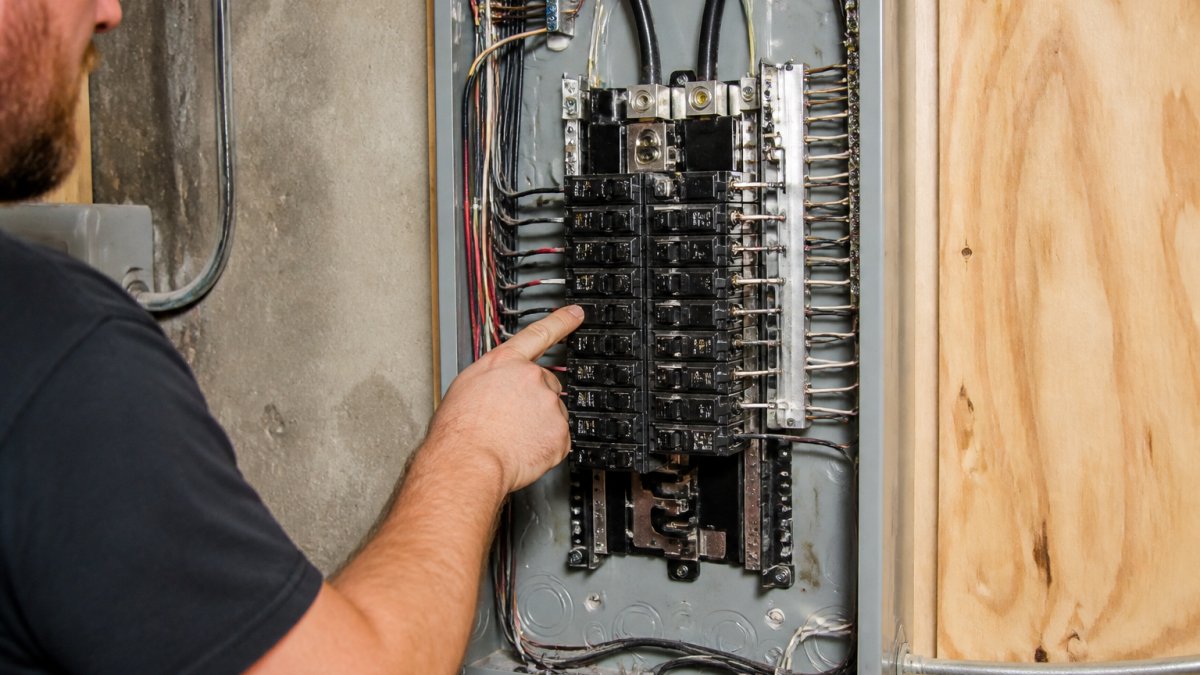
A professional electrical panel safety inspection is the most reliable way to understand how to tell if electrical panel needs upgrade. Licensed electricians have the tools and knowledge to assess your system thoroughly.
Safe Homeowner Checks You Can Perform
You can perform basic visual inspections without opening the panel. These checks are safe and informative.
Look for these warning signs:
- Rust or corrosion on the panel exterior or breaker switches
- Visible damage, dents, or cracks on the panel cover
- Discoloration or scorch marks on breakers or inside the panel
- Water damage or moisture around the panel
- Loose or hanging wires near the panel
- Buzzing, crackling, or humming sounds from the panel
- Burning smell near the panel
Check your home's electrical history too. Ask previous owners about panel issues. Review any inspection reports from when you purchased the home. Look for documentation of past repairs or upgrades.
What to do: Take photos of any concerns. Keep notes of circuit breaker trips, flickering lights, or warm outlets. Share this information with your electrician during an inspection.
When to Call a Licensed Electrician
Call an electrician immediately if you notice:
- Burning smells or visible scorching
- Buzzing or crackling sounds
- Warm or hot panel components
- Frequent breaker trips
- Widespread flickering or dimming lights
- Any visible damage or water intrusion
Do not attempt to repair electrical panel problems yourself. The panel contains live electricity at all times. Only licensed electricians should open panels or work inside them.
A licensed electrician can:
- Inspect all connections and components
- Test voltage and amperage
- Identify overloaded circuits
- Assess panel condition and age
- Recommend upgrades or repairs
- Ensure all work meets electrical code
Distinguishing Panel Problems from Circuit or Wiring Issues
Not every electrical problem means your panel needs an upgrade.
A circuit problem affects only one area of your home.
A panel problem affects multiple circuits or your entire home. Lights flicker throughout the house.
Wiring problems can occur in walls or between the panel and outlets.
What to do: Note which symptoms are localized and which are widespread.
A professional inspection distinguishes these issues quickly. Your electrician can pinpoint the exact problem and recommend the appropriate solution.
The Upgrade Process: Permits, Costs, and Timeline
Understanding the panel upgrade process helps you plan and budget. Upgrading your electrical panel is a significant project, but it's manageable with the right information.
Understanding Permits and Code Compliance
Electrical panel upgrades require permits in most jurisdictions. Permits ensure work meets current electrical codes and safety standards. Building inspectors verify that installations are safe and compliant.
The permit process typically involves:
- Submitting plans to your local building department
- Paying permit fees
- Having an inspector examine the work before and after installation
- Receiving final approval and a certificate of compliance
Your electrician handles most of this paperwork. They know local code requirements and can navigate the permit process efficiently.
What to do: Ask your electrician about permit requirements for your area. Legitimate contractors always pull permits for panel work. If an electrician offers to skip permits, find another contractor.
What Affects Upgrade Costs
Several factors influence panel upgrade pricing. Understanding these helps you budget realistically.
Factors that impact costs include:
- Current panel amperage and desired upgrade size (100 to 150 amps, 150 to 200 amps, etc.)
- Distance from utility lines to your home
- Accessibility of your panel location
- Complexity of existing wiring and connections
- Whether the utility company must upgrade service lines
- Local labor rates and permit fees
- Additional work needed (new breakers, rewiring, etc.)
The utility company may charge separately for upgrading service lines from the street to your home.
What to do: Get multiple quotes from licensed electricians. Ask what each quote includes.
Contact your utility company to ask if service line upgrades are needed.
An electrical panel upgrade is one of the most important investments you can make in your home's safety and efficiency.
Older panels in Vermont homes
Many Vermont farmhouses and older homes in towns like Rutland, Proctor, and Brandon still have original 60- or 100-amp service, fuses, or panel brands that are no longer made. If you are adding a heat pump, EV charger, or addition, the panel is usually the first thing to check.
Electrical work in Vermont follows the National Electrical Code as adopted in the Vermont Electrical Safety Rules (2025 edition, enforced by the Division of Fire Safety). Precision Power Services is a Vermont licensed electrician based at 450 Park Ln in Rutland, serving Rutland County and central Vermont.
Book a free estimate or call (802) 417-0587.
Frequently Asked Questions
How do I know if my electrical panel is maxed out?
Open your breaker panel door and count the available breaker spaces. If most or all spaces are filled, your panel is maxed out. Additionally, if you're experiencing frequent breaker trips when running multiple appliances, or if an electrician has told you no more circuits can be added safely, your panel has reached capacity. Check your current amperage rating on the main breaker, if it's 100 amps or less, upgrading to 200 amps is often necessary for modern homes.
What is the average lifespan of an electrical panel?
Most electrical panels last 25 to 40 years. If your panel is older than 25 years, it may be time to consider replacement, especially if you're adding significant electrical loads like an EV charger or heat pump. Older panels also carry higher fire risk and may not meet current electrical codes. A licensed electrician can assess your panel's condition and recommend whether replacement or upgrade is necessary.
Should I upgrade to a 200 amp panel?
A 200 amp panel is standard for modern homes and is highly recommended if you're adding an EV charger, heat pump, or other major appliances. If your current panel is 100 amps or less, upgrading to 200 amps provides the capacity and safety margin needed for today's electrical demands. Your electrician can evaluate your home's current and future needs to confirm whether 200 amps is appropriate.
Can flickering lights mean my electrical panel needs an upgrade?
Yes, flickering lights can indicate panel problems, but they may also signal circuit or wiring issues. If lights flicker throughout your home when running multiple appliances, your panel may be overloaded. However, if flickering is isolated to one room or fixture, the problem is likely a loose connection or faulty circuit. A licensed electrician can diagnose the root cause and determine whether panel upgrade is needed.
Need an electrician in Rutland or central Vermont?
Precision Power Services is a licensed and insured electrical contractor serving Rutland, Killington, Brandon, Castleton, and surrounding towns. Call (802) 417-0587 or book online.
← Back to blog