Is a Whole-Home Surge Protector Worth It?
Last Updated: November 7, 2026
Quick Summary
A whole-home surge protector is worth considering when a single power spike could damage costly appliances, since it guards every circuit at the service panel rather than only the outlets where a power strip is plugged in. It works best with a sound grounding system and proper installation, and it is most effective layered with point-of-use protection for sensitive electronics.
- Surges come from outside lines during lightning or utility switching, and from large appliances cycling on and off inside the home.
- Whole-home units cover hardwired equipment like furnaces, heat pumps, and garage door openers that a power strip cannot reach.
- Installation requires a licensed electrician, and the grounding system must be sound for the device to clamp voltage properly.
- A whole-home device does not stop a direct lightning strike and does not replace protection for high-value computers and audio gear.
- Check the status indicator regularly and replace the device after a major surge or when it signals end of life.
Table of Contents
- What Electrical Surges Are and What Causes Them
- How Whole-Home Surge Protectors Work
- Whole-Home Surge Protector Pros and Cons
- Whole-House Surge Protector Installation Cost
- Whole-House Surge Protector vs. Power Strip: Which Protects What
- How Long a Whole-House Surge Protector Lasts and When to Replace It
- Matching Protection to Your Home: Ratings, Warranties and Exclusions
- Booking a Panel Assessment for Your Surge Protection
- Frequently Asked Questions
What Electrical Surges Are and What Causes Them
Is a whole home surge protector worth it? For many Vermont homeowners, the answer depends on how much damage a single power spike could do. An electrical surge is a brief jump in voltage, far above the normal 120-volt supply that flows through your wiring. It lasts only microseconds, but that is often enough to damage sensitive electronics.
Surges come from two main sources. External surges enter through the utility lines, often after lightning strikes nearby or when utility crews switch circuits. Internal surges start inside the home, usually when large appliances like air conditioners, refrigerators, and well pumps cycle on and off. Each cycle can send a small spike through the wiring.
A surge protector limits that spike before it reaches your devices. Whole-home protection works at the service panel, so it covers every circuit in the house rather than just the outlets where a power strip happens to be plugged in.
How Whole-Home Surge Protectors Work
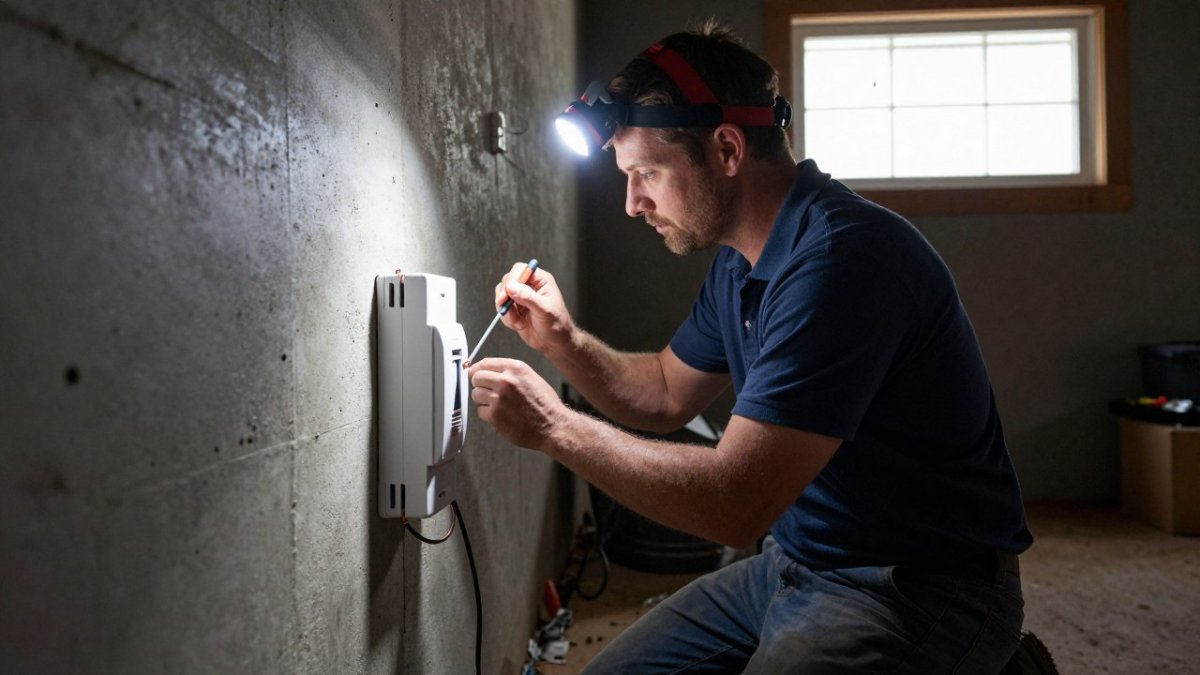
A whole-home surge protector is a device, usually called a surge protective device (SPD), installed at or near the main electrical panel. Readers can learn how whole-home surge protection is offered for Vermont homes from a licensed local electrician. It monitors voltage continuously. When a spike occurs, it diverts the excess energy into the grounding system and holds the voltage at a safe level.
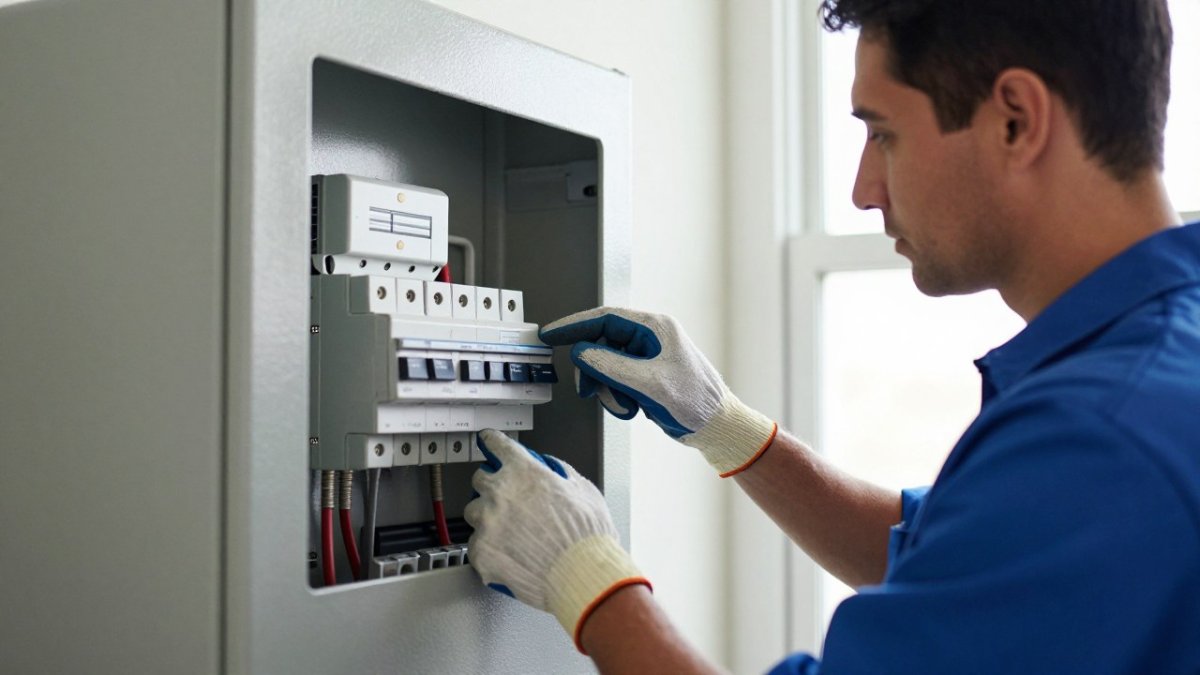
The key components are metal oxide varistors (MOVs) and, in higher-quality units, gas discharge tubes. MOVs absorb surge energy, but they wear down with each event. Better units pair them with additional stages so one large surge does not exhaust the whole device.
Proper installation matters as much as the device itself. The SPD must connect to the main panel with short, direct leads, and the grounding system must be sound. Long leads add resistance and reduce how well the device clamps voltage. A licensed electrician can also confirm that the installation meets the electrical code requirements that apply to your home.
Whole-Home Surge Protector Pros and Cons
The main advantage is coverage. A single device protects everything on the panel, including hardwired equipment that a power strip cannot reach, such as furnaces, heat pumps, and garage door openers. It also protects against surges that originate inside the home.
The drawbacks are real. Whole-home units cost more upfront than a power strip, and installation requires an electrician. A whole-home device also does not catch every problem. It reduces the risk of damage but does not replace point-of-use protection for particularly sensitive electronics, and it cannot protect against a direct lightning strike.
A common mistake is assuming that one device solves everything. Layering protection is a common approach: a whole-home SPD at the panel plus surge-protected strips for high-value equipment like computers and home theater gear.
Whole-House Surge Protector Installation Cost
Most homeowners want a number before they decide, so it helps to break the cost into its parts rather than treat installation as a single lump sum. The cost of a panel-mounted surge protective device and its installation depends on the device's surge-current capacity, clamping voltage, and features, as well as the condition of your panel and grounding system. Pricing is set after a site assessment, so contact Precision Power Services through our website for a quote based on your home. You can also review local panel upgrade pricing for Vermont homes to see how installation costs are typically structured.
Ask for a written quote that itemizes the device, labor, any permit fee, and a grounding inspection, so bids are easy to compare.
To judge whether the spend pays back, compare it against replacement exposure. A single failed heat pump, furnace control board, well pump, or refrigerator can be costly to repair or replace, and a lightning or utility-switching event can damage multiple items at once. The decision is best framed as risk management rather than a guaranteed return: the device will not prevent every loss, but it can lower the chance that one event turns into several simultaneous replacements. Request a written quote for your specific panel before committing, and keep the invoice, it is useful documentation if you later file a warranty or insurance claim.
Be cautious with a suspiciously low quote, since it may skip the grounding check or use leads that are too long, which can reduce the device's clamping performance.
Whole-House Surge Protector vs. Power Strip: Which Protects What
A power strip protects only the devices plugged into it. A whole-home surge protector protects every circuit in the house, including hardwired appliances. The two serve different purposes, so they are not really interchangeable.
Use a whole-home device for the broad, building-level protection that covers appliances and systems. Use a quality power strip or point-of-use protector for sensitive electronics like computers, gaming consoles, and audio equipment. Together they provide the layered approach most electricians recommend.
The two devices cover different ground, so here is how they compare.
| Device | Protects | Best for |
|---|---|---|
| Whole-home surge protector | Every circuit on the panel, including hardwired appliances | Broad, building-level protection |
| Power strip or point-of-use protector | Only devices plugged into it | Sensitive electronics like computers and audio gear |
How Long a Whole-House Surge Protector Lasts and When to Replace It
Surge protectors do not last forever. Each significant surge uses up some of the protective components, so the device gradually loses its ability to clamp voltage. Many units include a status indicator or alarm that signals when protection has degraded. Check that indicator regularly, and replace the device when it signals end of life or after a major surge event such as a nearby lightning strike.
Service life varies by manufacturer and by how often the home experiences surges. Keeping a record of the installation date and checking the indicator once or twice a year is a simple way to stay ahead of failure.
Matching Protection to Your Home: Ratings, Warranties and Exclusions
Specification sheets use a handful of terms that matter more than marketing language. Clamping voltage is the voltage level at which the device starts diverting surge energy; a lower number generally means tighter protection, and residential units commonly list values in the 330V to 600V range for 120/240V systems. Surge-current capacity, often expressed in kiloamperes (kA) per mode, describes how much surge current the device can handle in a single event; higher kA ratings indicate more capacity, but they do not guarantee a longer service life. Joule ratings are a rough measure of total energy absorption and are useful mainly for comparing units within the same product line. Response time is usually stated in nanoseconds and is less decisive than installation quality, because long or looping leads can add more effective resistance than the device's own response speed. Protection modes tell you whether the unit protects line-to-neutral, line-to-ground, and neutral-to-ground paths; a unit that lists all modes is generally preferable to one that lists only line-to-neutral.
A common mistake is treating a high joule rating as a guarantee. Ratings describe what the device is designed to absorb under test conditions, not what it will survive in your panel. Pair the ratings with a sound grounding system and short, direct leads, and treat the device as one layer of protection rather than a warranty against damage.
Manufacturer warranties deserve a close read. Many equipment warranties cover the connected appliances up to a stated dollar limit, but they typically require professional installation, proof of a properly grounded system, and registration within a set window. Exclusions commonly include damage from surges that exceed the device's rated capacity, direct lightning strikes, improper installation, and pre-existing wiring faults. Keep the installation invoice, the device model and serial number, and the date of installation; those documents are what a claims reviewer will ask for.
Homeowners insurance is a separate question. Many policies cover sudden electrical damage, but coverage and deductibles vary, and some policies exclude damage from power surges or require that the loss be tied to a covered peril such as lightning. Before treating either a warranty or a policy as financial protection, read the exclusions, confirm whether the device must be listed or certified, and ask your insurer in writing how electrical damage claims are handled. Layering a panel-mounted device with point-of-use protectors for computers and home theater gear remains the most reliable approach, because no single device eliminates every surge path into the home. For a seasonal checklist covering surge protection along with generator service and heat pump wiring, see winter electrical prep for Vermont homes.
Booking a Panel Assessment for Your Surge Protection
Before buying a whole-home surge protector, have a licensed electrician check your panel. If you are unsure whether your panel is outdated, review the warning signs of an electrical panel that needs upgrading before booking. The assessment confirms whether the panel has room for the device, whether the grounding system is sound, and whether any existing problems need repair first. A surge protector installed on a faulty system will not perform as expected.
Precision Power Services, a Vermont licensed electrician, offers panel assessments and whole-home surge protection installation throughout Rutland and central Vermont. You can schedule a panel assessment with Precision Power Services to find out whether whole-home protection makes sense for your home, or call (802) 417-0587 to get started.
Frequently Asked Questions
Are whole-home surge protectors worth the money?
For many homes with heat pumps, EV chargers, or several sensitive electronics, a whole-home surge protector can be worth considering. It protects every circuit that enters the panel, including appliances whose compressors and control boards are expensive to replace. It will not stop a direct lightning strike or prevent every voltage problem, so its value depends on how many costly devices you own and how exposed your area is. A panel assessment helps you decide whether the protection fits your home.
How much does it cost to have a whole-house surge protector installed?
Installation cost depends on your panel type, the number of circuits, the device rating you choose, and labor in your area. Contact Precision Power Services through our website to request a quote for your home.
Is a whole-house surge protector required by code?
Electrical codes may include surge protection requirements for certain installations, and the rules that apply depend on your local jurisdiction. Confirm what applies to your project with the local permitting office before installation, and have a licensed electrician verify the work meets current requirements.
How long does a whole-house surge protector last?
Service life depends on how many surges a device absorbs. Many models include a status indicator that shows when internal components are degraded. Check the indicator periodically and replace the device if it signals end of life or after a severe nearby lightning event.
Need an electrician in Rutland or central Vermont?
Precision Power Services is a licensed and insured electrical contractor serving Rutland, Killington, Brandon, Castleton, and surrounding towns. Call (802) 417-0587 or book online.
← Back to blog