Troubleshooting Flickering Lights in Rooms: A Step-by-Step Guide
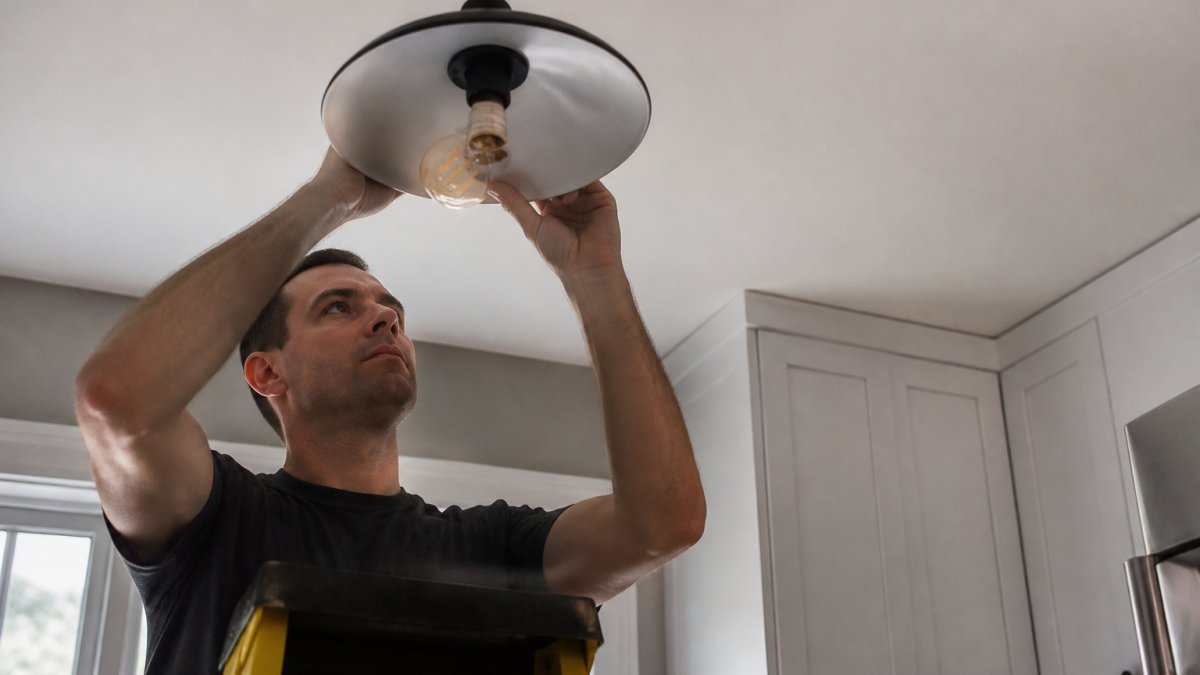
Table of Contents
- Why Are My Lights Flickering in One Room
- Lights Flickering in Multiple Rooms at Once
- LED Lights Flickering With Dimmer Switches
- Troubleshooting Flickering Lights: Safe DIY Checks
- When to Call an Electrician for Flickering Lights
- Prevention and Long-Term Solutions
- Frequently Asked Questions
Last Updated: October 15, 2026
Why Are My Lights Flickering in One Room
Flickering lights in a single room usually point to a specific problem. The issue is often localized to that fixture, bulb, or circuit. Start by checking the most common culprits before you worry about bigger electrical issues.
Looking for this work in Rutland or central Vermont? See flickering lights repair from Precision Power Services.
Check the Bulb First
The bulb is the first place to look. A loose or failing light bulb causes flickering more often than anything else.
Remove the bulb carefully. Look for these signs of damage:
- Blackening inside the glass
- A loose filament you can see moving
- Corrosion on the metal base
- Cracks or damage to the glass
Replace the bulb with a new one of the same type. If the flickering stops, the problem is solved. If it continues, move to the next step.
Inspect the Socket and Connections
A loose bulb socket or a poor electrical connection inside the fixture causes flickering too.
Turn off the power to that fixture at your breaker panel first. Wait a few seconds to make sure power is off.
Check these connection points:
- The socket where the bulb screws in, is it tight or does it wiggle?
- The wires connected to the fixture, are they secure or loose?
- The fixture mounting, is it firmly attached to the wall or ceiling?
If you see loose wires, don't try to fix them yourself. Loose connections can overheat and create a fire risk (CPSC Staff Suggests That Homeowners Check Electrical Wiring For Potential Fire Hazards).
If the socket is loose, you may be able to tighten it. Most sockets have a small set screw. Tighten it gently with a screwdriver.
Test the Light Switch
A faulty light switch can cause flickering in one room.
Try flipping the switch on and off several times. Does the light flicker more when you do this? Does it flicker constantly, or only when you move the switch?
If the switch feels loose or wobbly when you press it, the internal contacts may be worn. A worn switch needs replacement.
Lights Flickering in Multiple Rooms at Once
When lights flicker throughout your home, the problem is bigger. You're likely dealing with a whole-home electrical issue, not a single fixture.
Whole-Home Voltage Problems
Flickering lights in multiple rooms usually means your home's voltage is unstable. Your electrical service delivers power at a specific voltage.
Common causes of voltage fluctuation include:
- A loose connection where power enters your home from the utility line
- A failing main breaker or service panel
- A problem with the utility company's power supply to your neighborhood
- Damage to the weatherhead or conduit bringing power into your house
Voltage problems are serious. They can damage appliances and create fire risk. Call an electrician immediately if you suspect this issue.
An electrician can test your home's voltage with a meter. They'll check if the voltage stays steady or fluctuates.
Overloaded Circuits
An overloaded electrical circuit causes flickering when you run too many devices at once.
Each circuit in your home is designed to handle a specific amount of power. When you plug in too many appliances on one circuit, the power demand exceeds the circuit's capacity.
Notice when the flickering happens:
- Does it happen when you turn on the air conditioner or heater?
- Does it happen when you run the washing machine or dryer?
- Does it happen when you use multiple appliances in the kitchen?
If flickering happens at specific times, you likely have an overloaded circuit. The solution is to spread devices across different circuits or upgrade your electrical service.
LED Lights Flickering With Dimmer Switches
LED bulbs and dimmer switches don't always work together. This incompatibility is one of the most common causes of LED flicker in homes.
Compatibility Issues Between LED Bulbs and Dimmers
Most older dimmer switches were designed for incandescent bulbs. LED bulbs draw much less power than incandescent bulbs.
Check your dimmer switch for compatibility. Look for a label on the switch that says "LED compatible" or "dimmable LED."
If your dimmer is not LED compatible, you have two options:
- Replace the dimmer with one labeled "LED compatible"
- Use only non-dimmable LED bulbs on that switch
If you use dimmable LED bulbs, make sure the bulb package says it works with your dimmer type. Different dimmers use different control signals.
LED Driver and Ballast Problems
Every LED bulb has an internal driver. The driver converts AC power from your home into DC power that the LED can use.
Some LED fixtures have a separate ballast. The ballast regulates power to the LEDs. If the ballast fails, the LEDs flicker.
You can't repair an LED driver or ballast yourself.
To test if it's a driver problem, try the bulb in a different fixture.
Troubleshooting Flickering Lights: Safe DIY Checks
Before you call an electrician, run through these safe steps yourself. This process helps you narrow down the cause and gives the electrician useful information.
What You'll Need
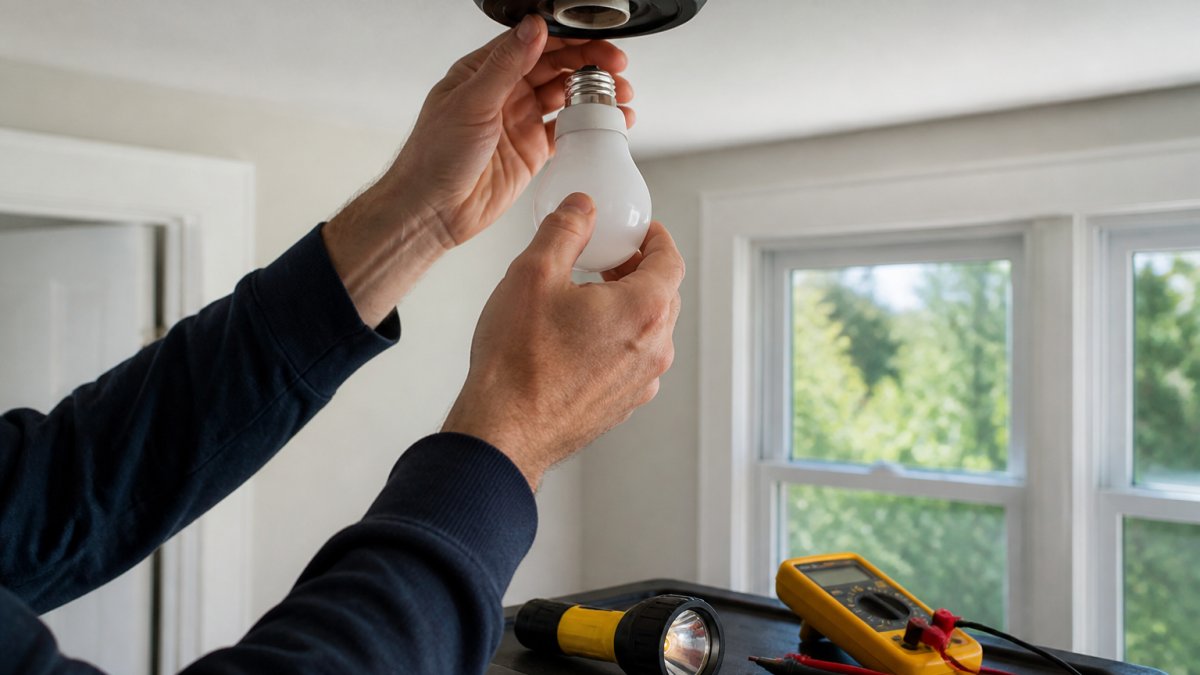
Gather these items before you start:
- A multimeter (digital or analog)
- A flashlight
- A screwdriver set
- Replacement bulbs of the correct type
Step 1: Identify the Flicker Pattern
The way your lights flicker tells you a lot about the cause.
Observe the flickering carefully. Answer these questions:
- Does it flicker constantly or only sometimes?
- Does it happen in one room or many?
- Does it happen when you use a specific appliance?
- Does it happen at a certain time of day?
Write down what you observe. A constant flicker in one room usually means a bulb or fixture problem. A flicker that happens when you run an appliance usually means an overloaded circuit.
Step 2: Test Each Bulb and Fixture
Start with the bulbs in the flickering fixture.
Turn off power to the fixture at the breaker. Wait 10 seconds.
Replace it with a new bulb of the same type. Turn the power back on. Does the flickering stop?
If yes, the old bulb was the problem. If no, move to the next step.
Try a different type of bulb in the same fixture. If you were using an LED, try an incandescent or CFL.
Step 3: Check for Loose Connections
Loose connections cause flickering and are a fire hazard.
Turn off power at the breaker. Wait 10 seconds.
Check the fixture itself. Look for loose wires or loose mounting screws. Gently try to move the fixture.
Check the light switch. Turn the power back on. Feel around the switch plate. Does it feel loose or wobbly?
Look at the breaker panel. Are the wires connected to your main breaker tight? Do not touch anything inside the panel.
Step 4: Verify Switch and Dimmer Compatibility
If you have a dimmer switch, check whether it's compatible with your bulbs.
Look at the dimmer switch label. It should say "LED compatible" or list the types of bulbs it works with.
Look at your bulb package. It should say "dimmable" if it works with dimmers.
If the dimmer is not labeled LED compatible and you're using LED bulbs, replace either the bulbs or the dimmer.
Common Mistakes to Avoid
Don't make these errors during troubleshooting:
- Touching live wires or components, Always turn off power first and wait a few seconds
- Ignoring multiple rooms, If lights flicker in more than one room, don't assume it's a bulb problem
- Mixing bulb types, Use the same type of bulb (LED, incandescent, CFL) throughout a circuit
- Forcing connections, Don't force bulbs into sockets or force wires into terminals
When to Call an Electrician for Flickering Lights
Some flickering problems are beyond safe DIY troubleshooting. Know when to stop and call a professional.
Safety Red Flags That Require Professional Help
Stop troubleshooting and call an electrician if you see these warning signs:
- Burning smell near the fixture, switch, or breaker panel
- Discolored or blackened areas around outlets, switches, or fixtures
- Sparks coming from a switch, outlet, or breaker
- A breaker that trips repeatedly
- Flickering that happens throughout your entire home
These signs indicate serious electrical problems. They create fire and shock hazards. Professional help is not optional.
Signs of Aging or Damaged Wiring
Older homes often have aging wiring. Damaged wiring causes flickering and poses safety risks.
Signs of aging or damaged wiring include:
- Flickering in multiple rooms that started recently
- Frequent breaker trips
- Outlets or switches that feel warm
- A home built before 1970 with original wiring
- Visible damage to wire insulation
If your home has aging wiring, an electrician can assess the risk. They may recommend replacing sections of wiring or upgrading your electrical service.
At Precision Power Services, we help homeowners throughout central Vermont identify electrical issues before they become dangerous. We assess aging wiring, test circuits, and recommend safe upgrades.
Prevention and Long-Term Solutions
Prevent flickering lights by maintaining your electrical system.
Keep your home's electrical system in good shape:
- Replace bulbs before they fail
- Use bulbs rated for your fixtures
- Have your electrical panel inspected every 5-10 years
- Avoid overloading circuits with too many appliances
- Keep moisture away from fixtures and switches
If you live in an older home, consider a professional electrical inspection. An electrician can identify problems before they cause flickering or pose safety risks.
Upgrading to dimmable LED bulbs with compatible dimmer switches eliminates many flickering problems. LEDs are more efficient and reliable than older bulb types.
Flickering lights in one room usually signal a loose bulb or faulty fixture. Flickering throughout your home means a bigger problem.
Flickering lights in Vermont homes
In older Vermont homes, flickering often comes from loose connections in original wiring, an overloaded circuit, or a worn service connection. If the lights dim when a large appliance or well pump starts, or the flicker affects the whole house, have it checked soon.
Electrical work in Vermont follows the National Electrical Code as adopted in the Vermont Electrical Safety Rules (2025 edition, enforced by the Division of Fire Safety). Precision Power Services is a Vermont licensed electrician based at 450 Park Ln in Rutland, serving Rutland County and central Vermont.
Book a free estimate or call (802) 417-0587.
Frequently Asked Questions
Why do lights flicker in just one room?
Single-room flickering usually points to a fixture-specific problem. Start by checking whether the bulb is loose or nearing the end of its life. If the bulb is secure, the socket itself may have a poor electrical connection, or the light switch controlling that fixture could be failing. Loose wiring at the switch or inside the fixture housing can also cause intermittent flickering. Test the room's other fixtures to confirm the problem is isolated to one light.
Can LED bulbs flicker because they are incompatible with a dimmer?
Yes. Many standard dimmer switches use phase control dimming, which works well with incandescent bulbs but can cause LED bulbs to flicker or glow dimly. Not all LED bulbs are dimmable, and even dimmable LEDs may flicker if the dimmer switch does not match the LED driver's control signal. Check whether your LED bulb is labeled 'dimmable' and verify that your dimmer is rated for LED use. Swapping to a compatible dimmable LED or upgrading to an LED-compatible dimmer usually resolves the issue.
When should I call an electrician about flickering lights?
Contact a professional electrician if flickering lights persist after you've checked bulbs and connections, if multiple rooms flicker simultaneously, if the flicker accompanies a burning smell or visible scorch marks, or if flickering starts when a large appliance runs. Flickering that suggests loose neutral wires or aging wiring also requires immediate professional attention. An electrician can safely inspect your electrical circuit, test for voltage fluctuations, and identify whether your home's panel or wiring needs repair or upgrade.
What causes lights to flicker in multiple rooms at the same time?
Whole-home flickering usually indicates a utility-side problem or an overloaded electrical circuit. Loose connections at your electrical panel, a failing main breaker, or inconsistent power supply from the utility company can cause widespread light flicker. Alternatively, a single overloaded circuit serving multiple rooms may flicker when high-draw appliances start up. If flickering affects several different rooms and circuits simultaneously, have a licensed electrician inspect your panel and test for voltage stability. The utility company can also check for service-side issues if the problem occurs throughout your house.
Need an electrician in Rutland or central Vermont?
Precision Power Services is a licensed and insured electrical contractor serving Rutland, Killington, Brandon, Castleton, and surrounding towns. Call (802) 417-0587 or book online.
← Back to blog